blog1

The Complete Guide to Chicken Feed: What Your Hens Really Need

A healthy flock starts with proper nutrition. Whether you're keeping a handful of backyard hens or managing a larger free-range flock, understanding what chickens need to eat is one of the most important aspects of poultry keeping.

With so many feeds, supplements and treats available, it can be difficult to know what's best for your birds. This guide explains everything you need to know about chicken feed, from choosing the right diet to understanding supplements and avoiding common feeding mistakes.

Why Nutrition Matters

Laying hens work hard. Producing eggs requires large amounts of energy, protein, vitamins and minerals, particularly calcium. A balanced diet helps support:

  • Consistent egg production

  • Strong eggshell quality

  • Healthy feathers

  • Good immune function

  • Strong bones

  • Healthy growth and development

  • Overall wellbeing

Poor nutrition can lead to reduced egg production, feather problems, weight loss and increased susceptibility to illness.

The Different Types of Chicken Feed

Not all chicken feed is created equal. Birds have different nutritional requirements at various stages of life, so choosing the correct feed is essential.

Chick Crumb

Designed for chicks from hatching until around 6–8 weeks of age.

Chick crumb contains:

  • High protein levels (typically 18–20%)

  • Essential vitamins and minerals

  • Small particles that are easy for young birds to eat

Medicated and non-medicated versions are available depending on individual management preferences.

Growers Pellets

Suitable for young birds from approximately 6–8 weeks until they begin laying.

Growers feed provides:

  • Balanced nutrition for healthy development

  • Slightly lower calcium levels

  • Controlled growth support

Feeding layers pellets too early can expose young birds to excessive calcium before they need it.

Layers Pellets

The most common feed for laying hens.

Layers pellets are specifically formulated to support egg production and contain:

  • Adequate protein levels

  • Increased calcium for strong eggshells

  • Essential vitamins and minerals

  • Balanced energy content

For most laying hens, layers pellets should make up the majority of their daily diet.

Layers Mash

Mash contains the same nutritional profile as layers pellets but in a finer consistency.

Some keepers prefer mash because:

  • Birds spend longer eating it

  • It encourages natural foraging behaviour

  • Certain birds find it easier to consume

However, pellets generally produce less waste and reduce selective feeding.

How Much Should Chickens Eat?

An average laying hen typically consumes between 100 and 130 grams of feed per day, depending on:

  • Breed

  • Age

  • Weather conditions

  • Activity levels

  • Egg production

Larger breeds often require more feed than smaller bantams.

Always ensure feed is available throughout the day and monitor consumption levels regularly.

The Importance of Clean Water

Water is often overlooked, but it is just as important as feed.

A hen's body is made up largely of water, and eggs themselves contain a high percentage of water. Even short periods without access to fresh drinking water can cause egg production to drop dramatically.

Good practice includes:

  • Providing clean water daily

  • Preventing drinkers from freezing in winter

  • Keeping containers clean

  • Ensuring enough drinkers for the flock size

Fresh water should always be available.

Calcium: Essential for Strong Eggshells

Eggshells are made primarily from calcium, making this mineral vital for laying hens.

Most layers feeds already contain sufficient calcium, but many keepers provide additional sources such as:

  • Oyster shell grit

  • Crushed oyster shell supplements

  • Crushed baked eggshells

Hens will often consume extra calcium when their bodies require it.

Soft-shelled or thin-shelled eggs can sometimes indicate a calcium deficiency or issues related to age and health.

What Is Grit and Why Do Chickens Need It?

Unlike humans, chickens do not have teeth. Instead, food is ground in a muscular organ called the gizzard.

To function effectively, chickens require grit.

There are two main types:

Insoluble Grit

Small stones that help grind food within the gizzard.

Particularly important for birds that:

  • Free-range less frequently

  • Consume grains or treats

  • Have limited access to natural stones

Soluble Grit

Usually supplied as oyster shell grit.

Provides calcium while also assisting digestion.

Offering a separate container of mixed poultry grit allows birds to take what they need.

Healthy Treats for Chickens

Treats can be a useful addition to a balanced diet but should only be offered in moderation.

Safe treats include:

  • Leafy greens

  • Cabbage

  • Lettuce

  • Kale

  • Sweetcorn

  • Peas

  • Carrots

  • Cucumbers

  • Apples (without seeds)

  • Berries

Treats should never replace a complete layers ration.

As a general guide, treats should make up no more than 10% of a hen's overall diet.

Foods Chickens Should Avoid

While chickens enjoy a varied diet, certain foods should never be fed.

Avoid:

  • Chocolate

  • Avocado

  • Raw potato peelings

  • Green potatoes

  • Mouldy food

  • Excessive salty foods

  • Caffeinated drinks

  • Raw dried beans

Spoiled or mouldy feed can be particularly dangerous and should always be discarded immediately.

Free-Ranging and Natural Foraging

One of the joys of keeping chickens is watching them forage naturally.

Free-range birds often supplement their diet with:

  • Grass

  • Seeds

  • Insects

  • Worms

  • Beetles

  • Small plants

Foraging provides valuable enrichment and additional nutrients, but it should complement rather than replace a complete poultry feed.

Even the most active free-range hens still require a balanced layers ration to maintain health and egg production.

Seasonal Feeding Considerations

Winter Feeding

During colder months, hens require more energy to maintain body temperature.

Helpful winter practices include:

  • Ensuring constant access to feed

  • Offering scratch grains in moderation before dusk

  • Monitoring body condition

  • Keeping water ice-free

During Moulting

Feather production demands significant protein.

When hens moult, consider:

  • Providing a higher-protein feed

  • Offering protein-rich treats such as mealworms in moderation

  • Maintaining good overall nutrition

Most hens naturally reduce egg production while moulting.

Common Feeding Mistakes

Even experienced keepers occasionally make feeding errors.

Some of the most common include:

Too Many Treats

Overfeeding treats reduces consumption of balanced feed and can lead to nutritional deficiencies.

Feeding Mixed Corn as a Main Diet

Mixed corn is best viewed as a treat, not a complete feed.

Ignoring Water Quality

Dirty water can affect health and egg production.

Using Incorrect Feed

Young birds and laying hens require different nutritional formulations.

Storing Feed Improperly

Feed should be stored in sealed containers away from moisture, rodents and pests.

Signs Your Chickens Are Receiving Good Nutrition

Well-fed hens generally display:

  • Bright eyes

  • Healthy combs

  • Smooth feathers

  • Good body condition

  • Strong eggshells

  • Consistent egg production

  • Active behaviour

Monitoring these indicators can help identify nutritional issues before they become serious.

Final Thoughts

Providing the right nutrition is one of the simplest and most effective ways to maintain a healthy, productive flock. A quality layers feed, access to clean water, appropriate grit and occasional healthy treats will meet the needs of most backyard hens and smallholder flocks.

By understanding what your chickens really need—and avoiding common feeding mistakes—you can help ensure strong egg production, excellent health and happy hens throughout the year. After all, healthy chickens start with a healthy diet.

The Best Grass Sward for Chickens: Creating the Perfect Free-Range Environment

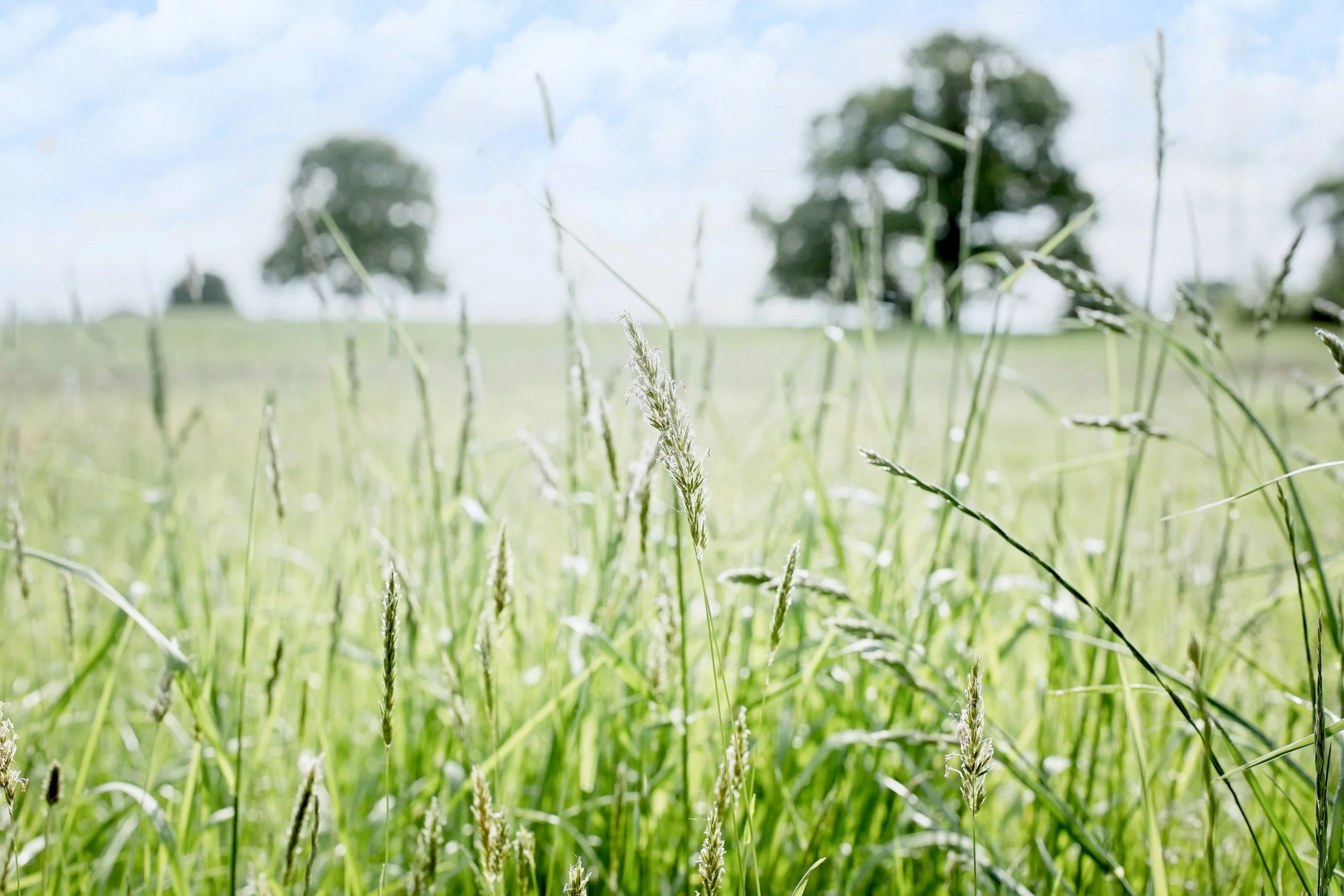
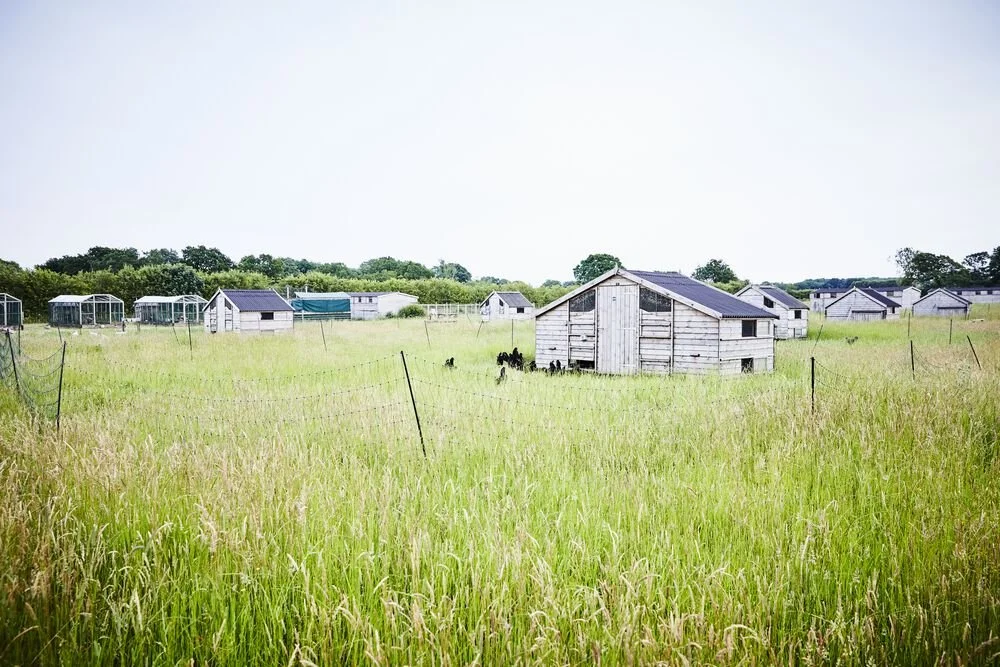
A healthy grass sward is one of the most valuable assets in any free-range chicken setup. Good pasture not only improves the appearance of your poultry area but also benefits your hens’ health, behaviour and overall welfare.

Chickens naturally love to forage, scratch and explore, and the right grass mix can help create a more sustainable and productive environment for your flock. Whether you keep a few hens inn your garden or manage a larger free-range system, understanding the best types of grass and ground cover for chickens can make a significant difference.

What Is a Grass Sward?

A grass sward simply refers to the layer of grass and vegetation covering the ground.

In poultry keeping, a good sward should:

  • Withstand scratching and pecking

  • Recover well from grazing pressure

  • Remain well-drained

  • Provide natural foraging opportunities

  • Reduce mud and bare patches

  • Support flock health and hygiene

Without proper ground cover, chicken runs can quickly become muddy, compacted and difficult to manage—particularly during wet weather, so actually most of the time in England!

Why Grass Is Important for Chickens

Grass offers far more than just appearance.

A healthy pasture helps:

  • Encourage natural foraging behaviour

  • Provide enrichment and stimulation

  • Supply small amounts of natural nutrients

  • Reduce boredom and feather pecking

  • Improve drainage and reduce mud

  • Support insect and worm populations for natural feeding

  • Create a cleaner environment

Chickens allowed onto good pasture are often more active and content than birds kept solely on bare ground.

The Challenges of Maintaining Grass with Chickens

Anyone who keeps chickens knows how quickly they can destroy a lawn.

Chickens naturally:

  • Scratch at roots

  • Dust bathe

  • Peck constantly

  • Create worn pathways

  • Compact wet ground around feeders and drinkers

Heavy breeds and larger flocks can strip vegetation surprisingly quickly, especially during winter.

This means choosing durable grass species is essential.

The Best Types of Grass for Chicken Runs

Some grasses cope far better with poultry traffic than others.

Perennial Ryegrass

One of the best all-round choices for poultry areas.

Benefits include:

  • Fast-growing

  • Hard-wearing

  • Excellent recovery

  • Tolerates grazing well

  • Good year-round coverage

Perennial ryegrass is commonly used in agricultural pasture mixes because of its durability and ability to recover from damage.

Fescue Grass

Fescues are extremely useful in chicken areas due to their resilience.

Advantages:

  • Deep-rooted

  • Drought tolerant

  • Handles wear well

  • Provides dense ground cover

Tall fescue varieties are particularly useful in free-range systems.

Timothy Grass

Timothy is softer and more palatable for chickens.

It provides:

  • Good grazing

  • Natural foraging interest

  • Fine texture

  • Nutritional value

Although not as hard-wearing as ryegrass, it works very well when included in mixed pasture systems.

Meadow Grass

Meadow grasses help create a more natural free-range environment.

Benefits include:

  • Biodiversity support

  • Improved insect life

  • Better visual appearance

  • Mixed grazing opportunities

They work especially well in rotational ranging systems.

Clover: An Excellent Addition

Clover is often overlooked but can be highly beneficial in chicken pasture.

White clover in particular offers:

  • Nitrogen fixation for healthier soil

  • Durable low-growing coverage

  • Improved nutrition

  • Drought resistance

Chickens will often peck at clover leaves while foraging. A grass-and-clover mix usually performs better than grass alone.

Herbs and Mixed Pasture Plants

Many poultry keepers are now introducing herbs into their pasture systems such as:

  • Chicory

  • Plantain

  • Yarrow

  • Parsley

  • Oregano

These plants may help:

  • Encourage biodiversity

  • Improve soil health

  • Increase forage variety

  • Support natural behaviour

Mixed herbal leys are becoming increasingly popular in regenerative and free-range farming systems.

Avoiding Muddy Chicken Runs

Mud is one of the biggest challenges in poultry keeping, particularly in the UK climate.

To help maintain healthy pasture:

Rotate Grazing Areas

Allowing land to rest and recover is one of the best management tools available.

Rotational ranging helps:

  • Prevent overgrazing

  • Reduce parasite build-up

  • Improve grass recovery

  • Maintain cleaner ground

Avoid Overstocking

Too many birds in a small area quickly destroys vegetation.

Providing adequate space is essential for maintaining a good sward.

Improve Drainage

Poor drainage leads to muddy conditions and unhealthy ground. Consider:

  • Raised areas

  • French drains

  • Woodchip in high-traffic zones

  • Well-drained soil locations

Move Feeders and Drinkers Regularly

These areas often become muddy first due to constant foot traffic. Moving equipment regularly spreads wear more evenly across the run.

Should Chickens Have Access to Long Grass?

A mixture of grass heights is often ideal. Short grass allows:

  • Easy movement

  • Better visibility

  • Cleaner ground

Longer areas provide:

  • Shelter from sun

  • Insect habitat

  • Enrichment opportunities

  • More natural foraging

Many chickens enjoy exploring taller patches of vegetation.

Plants to Avoid in Chicken Areas

While most grasses are safe, some garden plants can be harmful to chickens.

Avoid allowing access to:

  • Foxgloves

  • Yew

  • Rhododendron

  • Laburnum

  • Deadly nightshade

  • Daffodil bulbs

If planting around poultry areas, always check that species are poultry-safe.

Artificial Grass: Is It Suitable?

Artificial grass is sometimes used in small runs or urban gardens.

Advantages:

  • Reduced mud

  • Easier cleaning

  • Better appearance in winter

Disadvantages:

  • No natural foraging

  • Requires regular cleaning

  • Can become unhygienic

  • May overheat in summer

For welfare and enrichment, natural pasture is generally preferable whenever possible.

Creating the Ideal Free-Range Environment

The best chicken pasture often combines:

  • Durable grasses

  • Clover

  • Herbs

  • Rotational grazing

  • Shaded areas

  • Dry resting spaces

A varied environment keeps chickens physically and mentally stimulated while helping maintain healthier ground conditions.

A good grass sward is one of the foundations of successful free-range chicken keeping. Choosing hardy grasses such as perennial ryegrass and fescue, combined with clover and mixed pasture plants, helps create a more sustainable and enjoyable environment for your flock.

While chickens will always test the limits of any lawn, careful management, adequate space and rotational grazing can help maintain healthy pasture year-round. The result is cleaner ground, healthier birds and a much more natural environment for your hens to thrive in.

Lighting Systems For Laying Flocks: A Guide for Commercial and Small-Scale Poultry Producers

Lighting is one of the most important management tools in egg production. Whether you operate a large commercial layer facility or a small backyard flock, a well-designed lighting system directly influences egg production, bird health, feed efficiency, and overall flock performance. Understanding how to implement effective lighting programs can help producers maximise productivity while maintaining high welfare standards.

Why Lighting Matters for Laying Hens

Laying hens are highly sensitive to light. Their reproductive system responds to changes in day length, which signals when to begin and maintain egg production. Proper lighting:

  • Stimulates and sustains egg laying

  • Supports consistent feed and water intake

  • Improves flock uniformity

  • Reduces stress and undesirable behaviors

  • Enhances bird welfare and productivity

Insufficient or inconsistent lighting can lead to reduced egg production, delayed maturity, and uneven flock performance.

Key Lighting Requirements for Layers

Three main factors determine the effectiveness of a lighting system:

1. Light Duration

The number of hours of light provided each day is critical. Commercial layers typically require 14–16 hours of light daily to maintain peak egg production.

General guidelines include:

  • Pullets (young birds): Gradual reduction of day length during rearing

  • Pre-lay period: Controlled increase in light duration

  • Laying phase: Maintain 14–16 hours of consistent light daily

Sudden reductions in day length should be avoided, as they may decrease egg production.

2. Light Intensity

Light intensity influences bird activity and reproductive stimulation.

Recommended levels:

  • Rearing period: 10–20 lux

  • Laying houses: 10–15 lux

  • Nesting areas: Slightly lower intensity to encourage nesting behavior

Excessively bright lighting may increase aggression and feather pecking, while dim lighting can reduce feeding activity and egg production.

3. Light Uniformity

Uneven lighting creates dark spots and bright areas that can lead to stress, crowding, and inconsistent performance. Light should be distributed evenly throughout the laying house or run to ensure all birds receive similar exposure.

Lighting Systems for Commercial Layer Operations

Modern commercial egg farms commonly use advanced lighting technologies to optimize production.

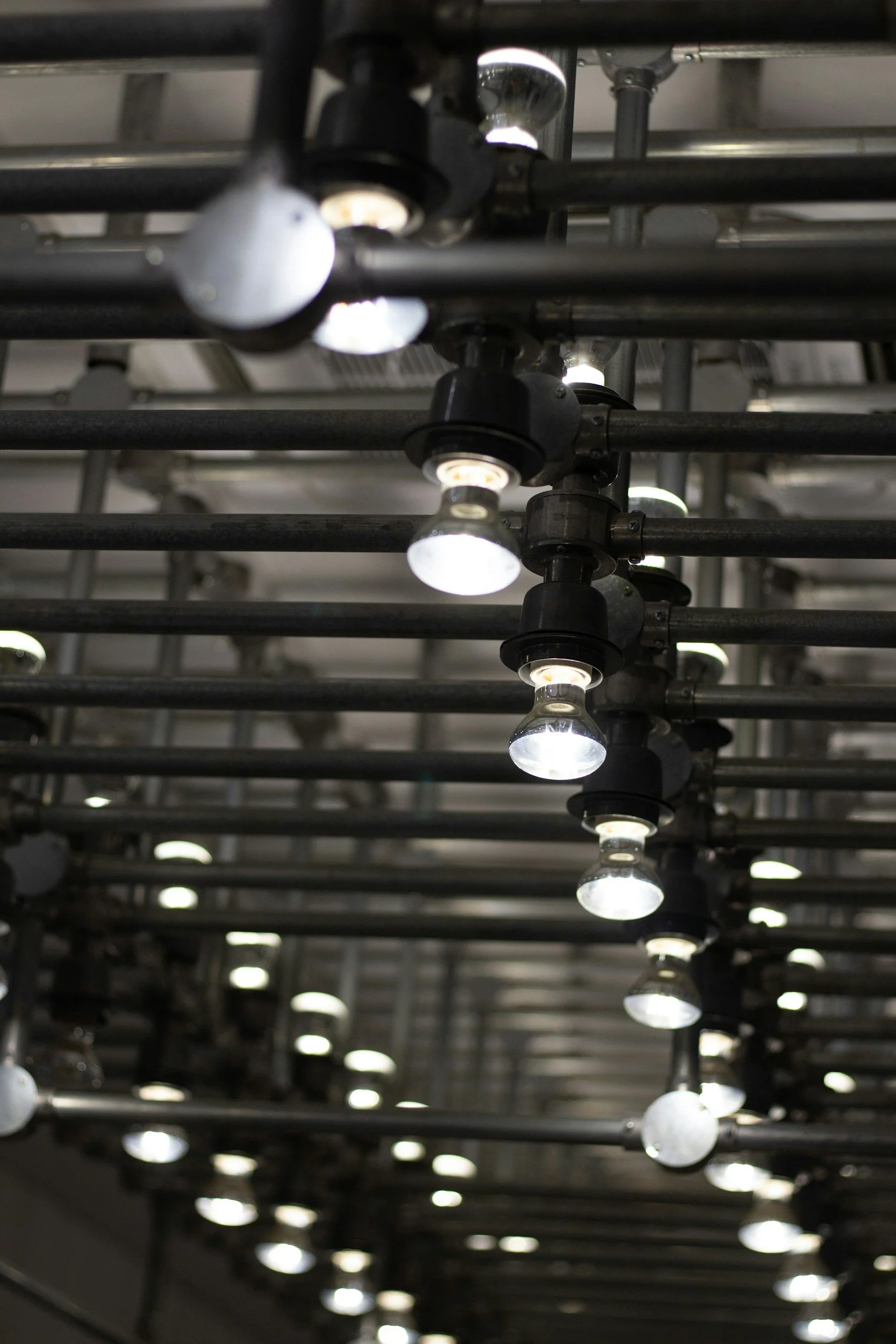
LED Lighting Systems

LED lighting has become the industry standard because it offers:

  • Low energy consumption

  • Long operational lifespan

  • Adjustable brightness levels

  • Reduced maintenance costs

  • Improved light distribution

Many LED systems allow automated dimming and programmable schedules, helping producers manage lighting precisely throughout the production cycle.

Automated Lighting Control

Commercial facilities often use computerized controllers that:

  • Adjust light intensity gradually

  • Simulate sunrise and sunset

  • Maintain precise photoperiods

  • Reduce human error

Gradual transitions help minimise stress and prevent sudden flock disturbances.

Lighting Solutions for Small-Scale and Backyard Flocks

Small-scale producers can achieve excellent results without expensive equipment.

Basic LED Bulb Systems

Simple LED bulbs connected to timers provide an affordable and effective solution.

Advantages include:

  • Low installation cost

  • Easy maintenance

  • Energy efficiency

  • Availability in most locations

A timer can automatically extend daylight hours during winter when natural day length decreases.

Solar-Powered Lighting

For rural or off-grid farms, solar-powered lighting systems offer:

  • Reduced electricity costs

  • Reliable operation in remote areas

  • Sustainable energy use

Battery storage systems can provide consistent lighting during evening and early morning periods.

Portable Lighting in Free-Range Runs

Small producers using mobile housing systems may benefit from portable LED fixtures powered by rechargeable batteries or solar units. These systems improve visibility and encourage feeding during low-light periods.

Choosing the Right Light Color

Research indicates that light spectrum affects bird behavior and productivity.

Common options include:

  • Warm white LEDs (2700–3500K): Promote calm behavior

  • Neutral white LEDs (4000–5000K): Provide balanced illumination

  • Specialized poultry LEDs: Designed to optimize laying performance

For most small-scale operations, standard warm or neutral white LED lights are sufficient and cost-effective.

Best Practices for Lighting Management

For the best results:

  1. Maintain a consistent lighting schedule.

  2. Use automatic timers whenever possible.

  3. Avoid sudden changes in light duration or intensity.

  4. Regularly clean light fixtures to maintain brightness.

  5. Monitor bird behavior and egg production to assess effectiveness.

  6. Replace faulty bulbs promptly.

  7. Ensure uniform lighting coverage throughout the facility.

Common Lighting Mistakes

Things you should avoid:

  • Frequent changes to lighting programs

  • Inadequate light intensity

  • Uneven fixture placement

  • Excessive brightness

  • Failure to provide sufficient light during winter months

  • Poor maintenance of lighting equipment

These issues can negatively affect laying performance and flock welfare.

Effective lighting management is essential for successful egg production in both commercial and small-scale laying systems. By providing the correct light duration, intensity, and distribution, producers can enhance egg output, improve bird welfare, and maximise operational efficiency. Modern LED technology and automated controls offer significant advantages for commercial farms, while affordable LED and solar-powered solutions make effective lighting accessible to smallholders and backyard poultry keepers. A well-planned lighting program remains one of the most cost-effective investments in layer production.