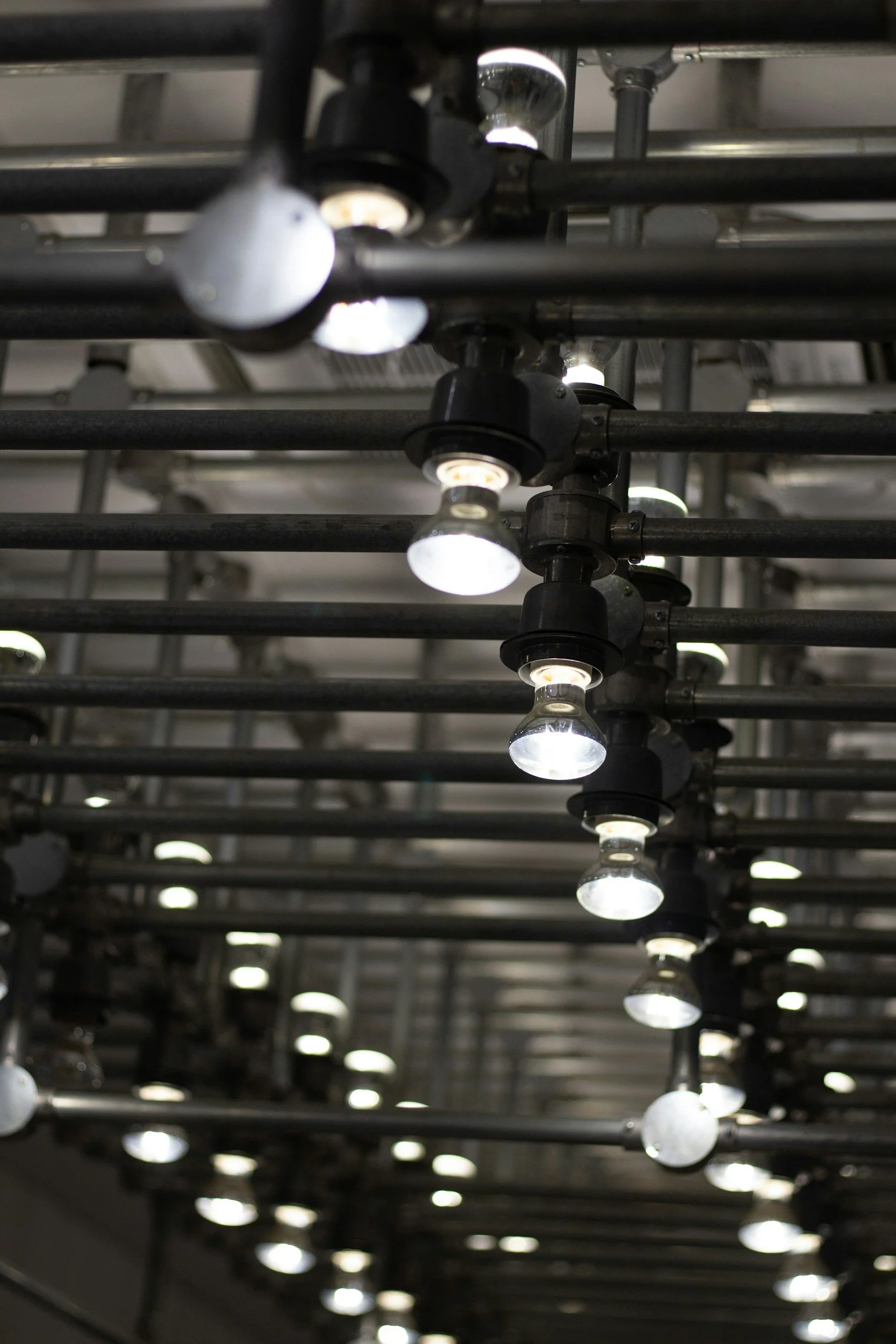
Lighting is one of the most important management tools in egg production. Whether you operate a large commercial layer facility or a small backyard flock, a well-designed lighting system directly influences egg production, bird health, feed efficiency, and overall flock performance. Understanding how to implement effective lighting programs can help producers maximise productivity while maintaining high welfare standards.
Why Lighting Matters for Laying Hens
Laying hens are highly sensitive to light. Their reproductive system responds to changes in day length, which signals when to begin and maintain egg production. Proper lighting:
Stimulates and sustains egg laying
Supports consistent feed and water intake
Improves flock uniformity
Reduces stress and undesirable behaviors
Enhances bird welfare and productivity
Insufficient or inconsistent lighting can lead to reduced egg production, delayed maturity, and uneven flock performance.
Key Lighting Requirements for Layers
Three main factors determine the effectiveness of a lighting system:
1. Light Duration
The number of hours of light provided each day is critical. Commercial layers typically require 14–16 hours of light daily to maintain peak egg production.
General guidelines include:
Pullets (young birds): Gradual reduction of day length during rearing
Pre-lay period: Controlled increase in light duration
Laying phase: Maintain 14–16 hours of consistent light daily
Sudden reductions in day length should be avoided, as they may decrease egg production.
2. Light Intensity
Light intensity influences bird activity and reproductive stimulation.
Recommended levels:
Rearing period: 10–20 lux
Laying houses: 10–15 lux
Nesting areas: Slightly lower intensity to encourage nesting behavior
Excessively bright lighting may increase aggression and feather pecking, while dim lighting can reduce feeding activity and egg production.
3. Light Uniformity
Uneven lighting creates dark spots and bright areas that can lead to stress, crowding, and inconsistent performance. Light should be distributed evenly throughout the laying house or run to ensure all birds receive similar exposure.
Lighting Systems for Commercial Layer Operations
Modern commercial egg farms commonly use advanced lighting technologies to optimize production.
LED Lighting Systems
LED lighting has become the industry standard because it offers:
Low energy consumption
Long operational lifespan
Adjustable brightness levels
Reduced maintenance costs
Improved light distribution
Many LED systems allow automated dimming and programmable schedules, helping producers manage lighting precisely throughout the production cycle.
Automated Lighting Control
Commercial facilities often use computerized controllers that:
Adjust light intensity gradually
Simulate sunrise and sunset
Maintain precise photoperiods
Reduce human error
Gradual transitions help minimise stress and prevent sudden flock disturbances.
Lighting Solutions for Small-Scale and Backyard Flocks
Small-scale producers can achieve excellent results without expensive equipment.
Basic LED Bulb Systems
Simple LED bulbs connected to timers provide an affordable and effective solution.
Advantages include:
Low installation cost
Easy maintenance
Energy efficiency
Availability in most locations
A timer can automatically extend daylight hours during winter when natural day length decreases.
Solar-Powered Lighting
For rural or off-grid farms, solar-powered lighting systems offer:
Reduced electricity costs
Reliable operation in remote areas
Sustainable energy use
Battery storage systems can provide consistent lighting during evening and early morning periods.
Portable Lighting in Free-Range Runs
Small producers using mobile housing systems may benefit from portable LED fixtures powered by rechargeable batteries or solar units. These systems improve visibility and encourage feeding during low-light periods.
Choosing the Right Light Color
Research indicates that light spectrum affects bird behavior and productivity.
Common options include:
Warm white LEDs (2700–3500K): Promote calm behavior
Neutral white LEDs (4000–5000K): Provide balanced illumination
Specialized poultry LEDs: Designed to optimize laying performance
For most small-scale operations, standard warm or neutral white LED lights are sufficient and cost-effective.
Best Practices for Lighting Management
For the best results:
Maintain a consistent lighting schedule.
Use automatic timers whenever possible.
Avoid sudden changes in light duration or intensity.
Regularly clean light fixtures to maintain brightness.
Monitor bird behavior and egg production to assess effectiveness.
Replace faulty bulbs promptly.
Ensure uniform lighting coverage throughout the facility.
Common Lighting Mistakes
Things you should avoid:
Frequent changes to lighting programs
Inadequate light intensity
Uneven fixture placement
Excessive brightness
Failure to provide sufficient light during winter months
Poor maintenance of lighting equipment
These issues can negatively affect laying performance and flock welfare.
Effective lighting management is essential for successful egg production in both commercial and small-scale laying systems. By providing the correct light duration, intensity, and distribution, producers can enhance egg output, improve bird welfare, and maximise operational efficiency. Modern LED technology and automated controls offer significant advantages for commercial farms, while affordable LED and solar-powered solutions make effective lighting accessible to smallholders and backyard poultry keepers. A well-planned lighting program remains one of the most cost-effective investments in layer production.