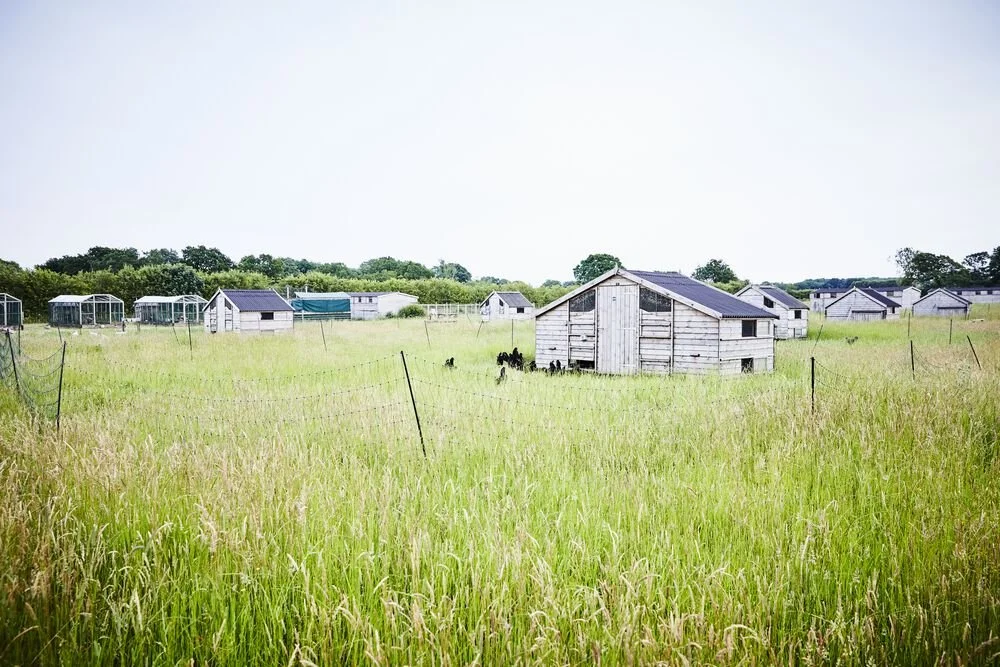
A healthy grass sward is one of the most valuable assets in any free-range chicken setup. Good pasture not only improves the appearance of your poultry area but also benefits your hens’ health, behaviour and overall welfare.
Chickens naturally love to forage, scratch and explore, and the right grass mix can help create a more sustainable and productive environment for your flock. Whether you keep a few hens inn your garden or manage a larger free-range system, understanding the best types of grass and ground cover for chickens can make a significant difference.
What Is a Grass Sward?
A grass sward simply refers to the layer of grass and vegetation covering the ground.
In poultry keeping, a good sward should:
Withstand scratching and pecking
Recover well from grazing pressure
Remain well-drained
Provide natural foraging opportunities
Reduce mud and bare patches
Support flock health and hygiene
Without proper ground cover, chicken runs can quickly become muddy, compacted and difficult to manage—particularly during wet weather, so actually most of the time in England!
Why Grass Is Important for Chickens
Grass offers far more than just appearance.
A healthy pasture helps:
Encourage natural foraging behaviour
Provide enrichment and stimulation
Supply small amounts of natural nutrients
Reduce boredom and feather pecking
Improve drainage and reduce mud
Support insect and worm populations for natural feeding
Create a cleaner environment
Chickens allowed onto good pasture are often more active and content than birds kept solely on bare ground.
The Challenges of Maintaining Grass with Chickens
Anyone who keeps chickens knows how quickly they can destroy a lawn.
Chickens naturally:
Scratch at roots
Dust bathe
Peck constantly
Create worn pathways
Compact wet ground around feeders and drinkers
Heavy breeds and larger flocks can strip vegetation surprisingly quickly, especially during winter.
This means choosing durable grass species is essential.
The Best Types of Grass for Chicken Runs
Some grasses cope far better with poultry traffic than others.
Perennial Ryegrass
One of the best all-round choices for poultry areas.
Benefits include:
Fast-growing
Hard-wearing
Excellent recovery
Tolerates grazing well
Good year-round coverage
Perennial ryegrass is commonly used in agricultural pasture mixes because of its durability and ability to recover from damage.
Fescue Grass
Fescues are extremely useful in chicken areas due to their resilience.
Advantages:
Deep-rooted
Drought tolerant
Handles wear well
Provides dense ground cover
Tall fescue varieties are particularly useful in free-range systems.
Timothy Grass
Timothy is softer and more palatable for chickens.
It provides:
Good grazing
Natural foraging interest
Fine texture
Nutritional value
Although not as hard-wearing as ryegrass, it works very well when included in mixed pasture systems.
Meadow Grass
Meadow grasses help create a more natural free-range environment.
Benefits include:
Biodiversity support
Improved insect life
Better visual appearance
Mixed grazing opportunities
They work especially well in rotational ranging systems.
Clover: An Excellent Addition
Clover is often overlooked but can be highly beneficial in chicken pasture.
White clover in particular offers:
Nitrogen fixation for healthier soil
Durable low-growing coverage
Improved nutrition
Drought resistance
Chickens will often peck at clover leaves while foraging. A grass-and-clover mix usually performs better than grass alone.
Herbs and Mixed Pasture Plants
Many poultry keepers are now introducing herbs into their pasture systems such as:
Chicory
Plantain
Yarrow
Parsley
Oregano
These plants may help:
Encourage biodiversity
Improve soil health
Increase forage variety
Support natural behaviour
Mixed herbal leys are becoming increasingly popular in regenerative and free-range farming systems.

Avoiding Muddy Chicken Runs
Mud is one of the biggest challenges in poultry keeping, particularly in the UK climate.
To help maintain healthy pasture:
Rotate Grazing Areas
Allowing land to rest and recover is one of the best management tools available.
Rotational ranging helps:
Prevent overgrazing
Reduce parasite build-up
Improve grass recovery
Maintain cleaner ground
Avoid Overstocking
Too many birds in a small area quickly destroys vegetation.
Providing adequate space is essential for maintaining a good sward.
Improve Drainage
Poor drainage leads to muddy conditions and unhealthy ground. Consider:
Raised areas
French drains
Woodchip in high-traffic zones
Well-drained soil locations
Move Feeders and Drinkers Regularly
These areas often become muddy first due to constant foot traffic. Moving equipment regularly spreads wear more evenly across the run.
Should Chickens Have Access to Long Grass?
A mixture of grass heights is often ideal. Short grass allows:
Easy movement
Better visibility
Cleaner ground
Longer areas provide:
Shelter from sun
Insect habitat
Enrichment opportunities
More natural foraging
Many chickens enjoy exploring taller patches of vegetation.
Plants to Avoid in Chicken Areas
While most grasses are safe, some garden plants can be harmful to chickens.
Avoid allowing access to:
Foxgloves
Yew
Rhododendron
Laburnum
Deadly nightshade
Daffodil bulbs
If planting around poultry areas, always check that species are poultry-safe.
Artificial Grass: Is It Suitable?
Artificial grass is sometimes used in small runs or urban gardens.
Advantages:
Reduced mud
Easier cleaning
Better appearance in winter
Disadvantages:
No natural foraging
Requires regular cleaning
Can become unhygienic
May overheat in summer
For welfare and enrichment, natural pasture is generally preferable whenever possible.
Creating the Ideal Free-Range Environment
The best chicken pasture often combines:
Durable grasses
Clover
Herbs
Rotational grazing
Shaded areas
Dry resting spaces
A varied environment keeps chickens physically and mentally stimulated while helping maintain healthier ground conditions.
A good grass sward is one of the foundations of successful free-range chicken keeping. Choosing hardy grasses such as perennial ryegrass and fescue, combined with clover and mixed pasture plants, helps create a more sustainable and enjoyable environment for your flock.
While chickens will always test the limits of any lawn, careful management, adequate space and rotational grazing can help maintain healthy pasture year-round. The result is cleaner ground, healthier birds and a much more natural environment for your hens to thrive in.