
A healthy flock starts with proper nutrition. Whether you're keeping a handful of backyard hens or managing a larger free-range flock, understanding what chickens need to eat is one of the most important aspects of poultry keeping.
With so many feeds, supplements and treats available, it can be difficult to know what's best for your birds. This guide explains everything you need to know about chicken feed, from choosing the right diet to understanding supplements and avoiding common feeding mistakes.
Why Nutrition Matters
Laying hens work hard. Producing eggs requires large amounts of energy, protein, vitamins and minerals, particularly calcium. A balanced diet helps support:
Consistent egg production
Strong eggshell quality
Healthy feathers
Good immune function
Strong bones
Healthy growth and development
Overall wellbeing
Poor nutrition can lead to reduced egg production, feather problems, weight loss and increased susceptibility to illness.
The Different Types of Chicken Feed
Not all chicken feed is created equal. Birds have different nutritional requirements at various stages of life, so choosing the correct feed is essential.
Chick Crumb
Designed for chicks from hatching until around 6–8 weeks of age.
Chick crumb contains:
High protein levels (typically 18–20%)
Essential vitamins and minerals
Small particles that are easy for young birds to eat
Medicated and non-medicated versions are available depending on individual management preferences.
Growers Pellets
Suitable for young birds from approximately 6–8 weeks until they begin laying.
Growers feed provides:
Balanced nutrition for healthy development
Slightly lower calcium levels
Controlled growth support
Feeding layers pellets too early can expose young birds to excessive calcium before they need it.
Layers Pellets
The most common feed for laying hens.
Layers pellets are specifically formulated to support egg production and contain:
Adequate protein levels
Increased calcium for strong eggshells
Essential vitamins and minerals
Balanced energy content
For most laying hens, layers pellets should make up the majority of their daily diet.
Layers Mash
Mash contains the same nutritional profile as layers pellets but in a finer consistency.
Some keepers prefer mash because:
Birds spend longer eating it
It encourages natural foraging behaviour
Certain birds find it easier to consume
However, pellets generally produce less waste and reduce selective feeding.
How Much Should Chickens Eat?
An average laying hen typically consumes between 100 and 130 grams of feed per day, depending on:
Breed
Age
Weather conditions
Activity levels
Egg production
Larger breeds often require more feed than smaller bantams.
Always ensure feed is available throughout the day and monitor consumption levels regularly.
The Importance of Clean Water
Water is often overlooked, but it is just as important as feed.
A hen's body is made up largely of water, and eggs themselves contain a high percentage of water. Even short periods without access to fresh drinking water can cause egg production to drop dramatically.
Good practice includes:
Providing clean water daily
Preventing drinkers from freezing in winter
Keeping containers clean
Ensuring enough drinkers for the flock size
Fresh water should always be available.
Calcium: Essential for Strong Eggshells
Eggshells are made primarily from calcium, making this mineral vital for laying hens.
Most layers feeds already contain sufficient calcium, but many keepers provide additional sources such as:
Oyster shell grit
Crushed oyster shell supplements
Crushed baked eggshells
Hens will often consume extra calcium when their bodies require it.
Soft-shelled or thin-shelled eggs can sometimes indicate a calcium deficiency or issues related to age and health.
What Is Grit and Why Do Chickens Need It?
Unlike humans, chickens do not have teeth. Instead, food is ground in a muscular organ called the gizzard.
To function effectively, chickens require grit.
There are two main types:
Insoluble Grit
Small stones that help grind food within the gizzard.
Particularly important for birds that:
Free-range less frequently
Consume grains or treats
Have limited access to natural stones
Soluble Grit
Usually supplied as oyster shell grit.
Provides calcium while also assisting digestion.
Offering a separate container of mixed poultry grit allows birds to take what they need.
Healthy Treats for Chickens
Treats can be a useful addition to a balanced diet but should only be offered in moderation.
Safe treats include:
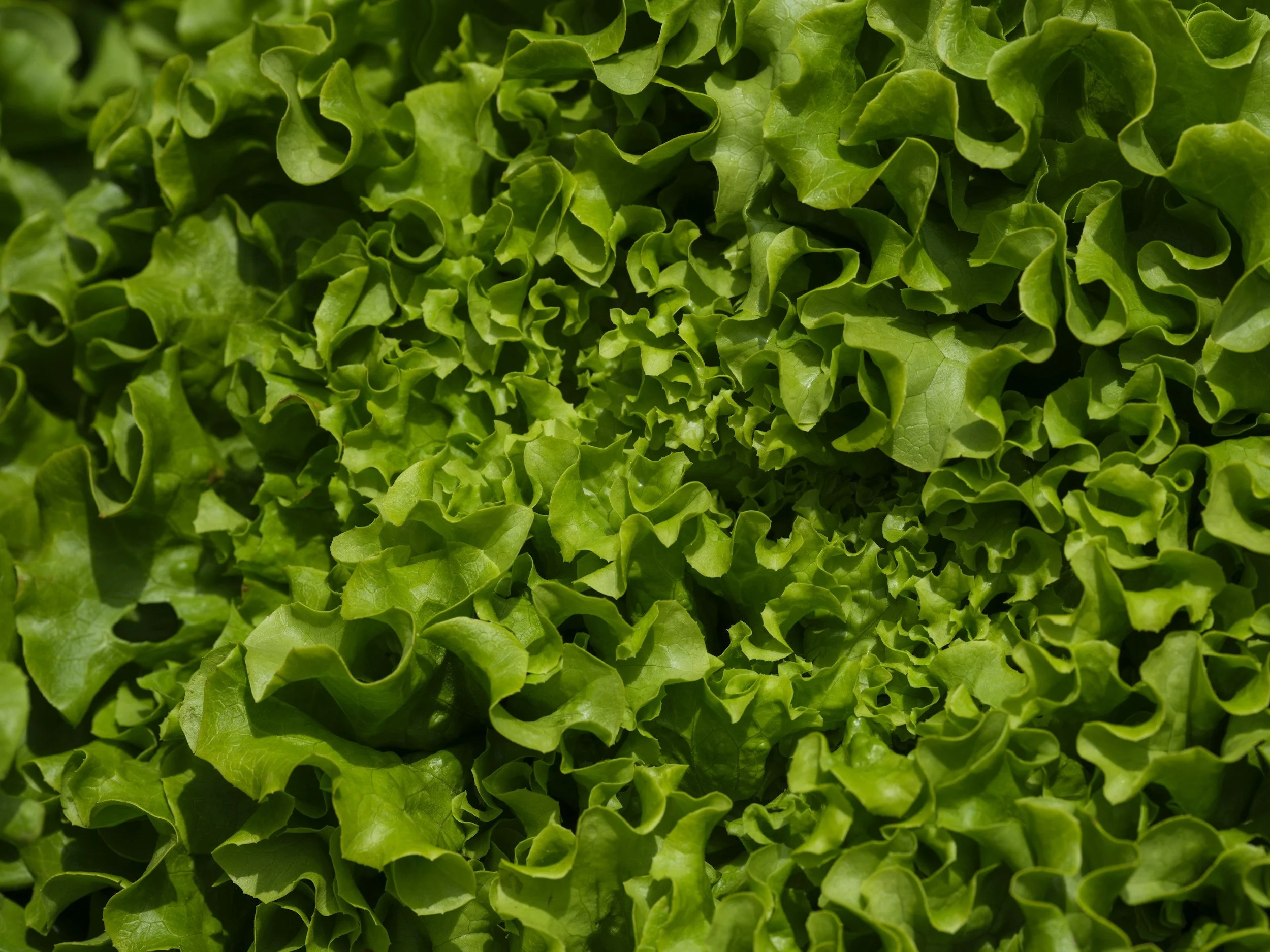
Leafy greens
Cabbage
Lettuce
Kale
Sweetcorn
Peas
Carrots
Cucumbers
Apples (without seeds)
Berries
Treats should never replace a complete layers ration.
As a general guide, treats should make up no more than 10% of a hen's overall diet.
Foods Chickens Should Avoid
While chickens enjoy a varied diet, certain foods should never be fed.
Avoid:
Chocolate
Avocado
Raw potato peelings
Green potatoes
Mouldy food
Excessive salty foods
Caffeinated drinks
Raw dried beans
Spoiled or mouldy feed can be particularly dangerous and should always be discarded immediately.
Free-Ranging and Natural Foraging
One of the joys of keeping chickens is watching them forage naturally.
Free-range birds often supplement their diet with:
Grass
Seeds
Insects
Worms
Beetles
Small plants
Foraging provides valuable enrichment and additional nutrients, but it should complement rather than replace a complete poultry feed.
Even the most active free-range hens still require a balanced layers ration to maintain health and egg production.
Seasonal Feeding Considerations
Winter Feeding
During colder months, hens require more energy to maintain body temperature.
Helpful winter practices include:
Ensuring constant access to feed
Offering scratch grains in moderation before dusk
Monitoring body condition
Keeping water ice-free
During Moulting
Feather production demands significant protein.
When hens moult, consider:
Providing a higher-protein feed
Offering protein-rich treats such as mealworms in moderation
Maintaining good overall nutrition
Most hens naturally reduce egg production while moulting.
Common Feeding Mistakes
Even experienced keepers occasionally make feeding errors.
Some of the most common include:
Too Many Treats
Overfeeding treats reduces consumption of balanced feed and can lead to nutritional deficiencies.
Feeding Mixed Corn as a Main Diet
Mixed corn is best viewed as a treat, not a complete feed.
Ignoring Water Quality
Dirty water can affect health and egg production.
Using Incorrect Feed
Young birds and laying hens require different nutritional formulations.
Storing Feed Improperly
Feed should be stored in sealed containers away from moisture, rodents and pests.
Signs Your Chickens Are Receiving Good Nutrition
Well-fed hens generally display:
Bright eyes
Healthy combs
Smooth feathers
Good body condition
Strong eggshells
Consistent egg production
Active behaviour
Monitoring these indicators can help identify nutritional issues before they become serious.
Final Thoughts
Providing the right nutrition is one of the simplest and most effective ways to maintain a healthy, productive flock. A quality layers feed, access to clean water, appropriate grit and occasional healthy treats will meet the needs of most backyard hens and smallholder flocks.
By understanding what your chickens really need—and avoiding common feeding mistakes—you can help ensure strong egg production, excellent health and happy hens throughout the year. After all, healthy chickens start with a healthy diet.