

Few things are more frustrating for chicken keepers than opening the nest box to find fewer eggs than usual—or none at all. If your hens have suddenly stopped laying, don't panic. In most cases, there is a perfectly natural explanation, and once the cause is identified, egg production often returns to normal.
Whether you keep a small backyard flock or a larger collection of hens, understanding the factors that affect egg production will help you keep your birds healthy and productive throughout the year.
1. Shorter Daylight Hours
One of the most common reasons hens stop laying is a reduction in daylight.
A hen's reproductive cycle is strongly influenced by the amount of light she receives each day. Most laying breeds require around 14–16 hours of daylight to maintain peak egg production. As autumn and winter arrive and the days become shorter, many hens naturally reduce or stop laying altogether.
This is perfectly normal and allows birds to conserve energy during the colder months. Most hens will resume laying naturally as daylight increases in spring.

2. Moulting
Every year, hens go through a process called moulting, where they shed old feathers and grow new ones.
Producing new feathers requires a great deal of protein and energy. As a result, hens often stop laying eggs during this period so that their bodies can focus on feather replacement.
Signs of moulting include:
Feathers scattered around the coop and run
Patchy or untidy-looking plumage
Reduced egg production
Increased appetite
Moulting typically occurs in late summer or autumn and can last anywhere from a few weeks to several months.

3. Age of the Hen
Like all animals, hens become less productive as they age.
Most laying hens begin producing eggs at around 18–24 weeks of age and reach peak production during their first two years. After this point, egg numbers gradually decline each year.
Older hens may still lay regularly, but:
Eggs may be less frequent
Shell quality can decline
Production may become seasonal
Many keepers continue to value older hens as much-loved members of the flock, even when they are no longer prolific layers.
4. Stress
Chickens are creatures of habit and can be surprisingly sensitive to stress.
Common stress triggers include:
Moving to a new home
Introducing new flock members
Predator attacks or disturbances
Loud noises
Changes to housing
Extreme weather conditions
When stressed, hens may temporarily stop laying until they feel secure again. Providing a calm environment and maintaining a consistent routine can help minimise disruption.
5. Poor Nutrition
Egg production requires significant amounts of energy, protein, calcium and essential nutrients.
If hens are not receiving a balanced diet, egg production can quickly decline.
A quality layers pellet or mash should form the basis of their diet. Fresh water must also be available at all times.
Common nutritional issues include:
Too many treats
Insufficient protein
Calcium deficiencies
Lack of clean drinking water
Remember that treats should only make up a small proportion of a hen's daily intake.
6. Parasites and Worms
External and internal parasites can have a significant impact on a hen's health and productivity.
Common culprits include:
Red mite
Northern fowl mite
Lice
Intestinal worms
Infested birds often become weakened as parasites consume nutrients and blood that would otherwise support egg production.
Signs to watch for include:
Pale combs
Weight loss
Reduced laying
Feather damage
Restlessness at night
Regular health checks and preventative treatments can help keep parasites under control.
7. Illness or Health Problems
When a hen is unwell, her body prioritises recovery rather than egg production.
A sudden drop in laying can sometimes indicate underlying health issues such as:
Respiratory infections
Egg binding
Reproductive disorders
Digestive problems
Bacterial infections
If a hen appears lethargic, stops eating, loses weight, or shows unusual behaviour, it is advisable to seek veterinary advice promptly.
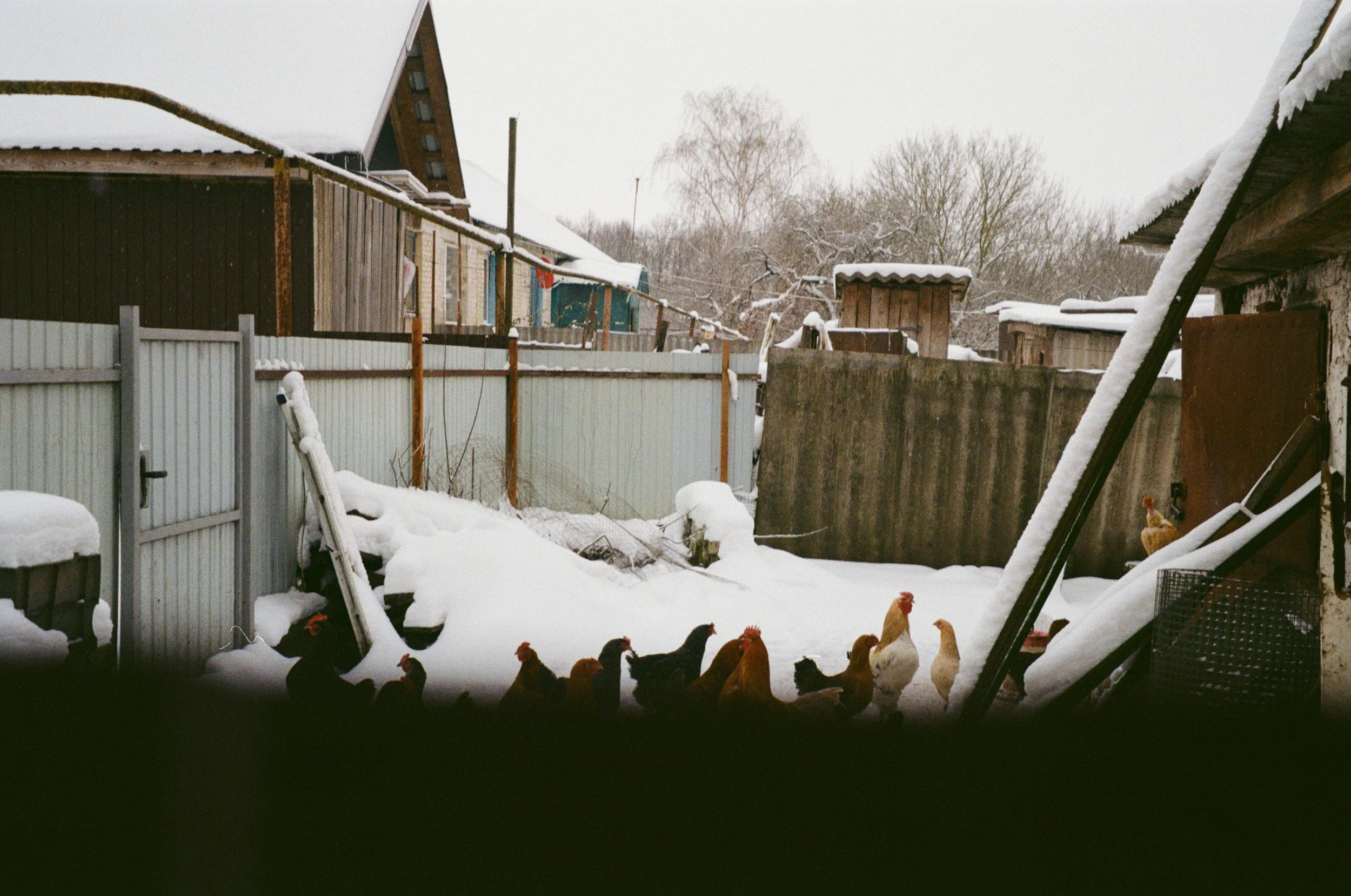
8. Extreme Weather
Both hot and cold weather can affect laying performance.
During periods of extreme heat, hens often reduce feed intake and spend more energy trying to stay cool. Similarly, prolonged cold weather can divert energy away from egg production as birds work harder to maintain body temperature.
To help hens cope:
Provide plenty of fresh water
Ensure adequate ventilation
Offer shade during hot weather
Keep housing dry and draught-free in winter
Comfortable birds are more likely to continue laying consistently.
9. Broodiness
Some breeds are naturally more prone to broodiness than others.
A broody hen believes she should hatch chicks and will often spend most of her day sitting in the nest box rather than laying eggs.
Signs of broodiness include:
Remaining on the nest for long periods
Puffing up feathers
Making defensive noises
Reluctance to leave the nesting area
Popular broody breeds include Silkies, Orpingtons and Cochins. While broodiness is a natural behaviour, it temporarily interrupts egg production.
10. Hidden Nests
Sometimes the eggs haven't disappeared at all—the hens have simply found a new place to lay them!
Free-range hens are notorious for creating secret nests in hedges, sheds, flower beds and other sheltered locations.
If your flock suddenly appears to stop laying, it may be worth checking around the garden or run before assuming there is a health issue.
When Should You Be Concerned?
A temporary reduction in egg production is often perfectly normal, particularly during winter or moulting season.
However, it may be worth investigating further if:
Several hens stop laying suddenly
Birds appear unwell
Appetite decreases
Weight loss is noticeable
Eggshell quality deteriorates significantly
Regular observation is one of the best tools a chicken keeper has. Knowing what is normal for your flock makes it much easier to spot potential problems early.
Final Thoughts
There are many reasons why chickens may stop laying eggs, ranging from natural seasonal changes to health and management issues. In most cases, a reduction in egg production is temporary and can be resolved by addressing the underlying cause.
By providing good nutrition, clean housing, regular health checks and a stress-free environment, you can help your hens remain healthy and productive throughout the year.
Remember, every flock is different. Understanding your birds' normal laying patterns will help you recognise when changes are simply part of nature—and when they may need a little extra attention.