How To Clip A Chickens Wing

Recently our 12 week old Hi-Oak Brown hens have just been put out into a larger run with a lot more space to mill around. It’s a delight to finally see them out and about in their runs, but they seem to keep hopping the fence. So I’ve looked into clipping their wings. There’s a lot of debate about whether or not the wings should be clipped, but we came to the conclusion that it’s for their own safety with our local fox visiting nightly, we want our birds to stay inside the fence and not out for the fox to feast on.

I’ve googled how to clip a chickens’ wing for the novice like myself. My dad’s owns and runs the farm, but as he was on holiday when we moved the hens, it was up to me to get them back in the runs and keep them there. I only clipped one wing as it puts the hen off-balance as soon as they try to fly. I found it unnecessary to clip both.

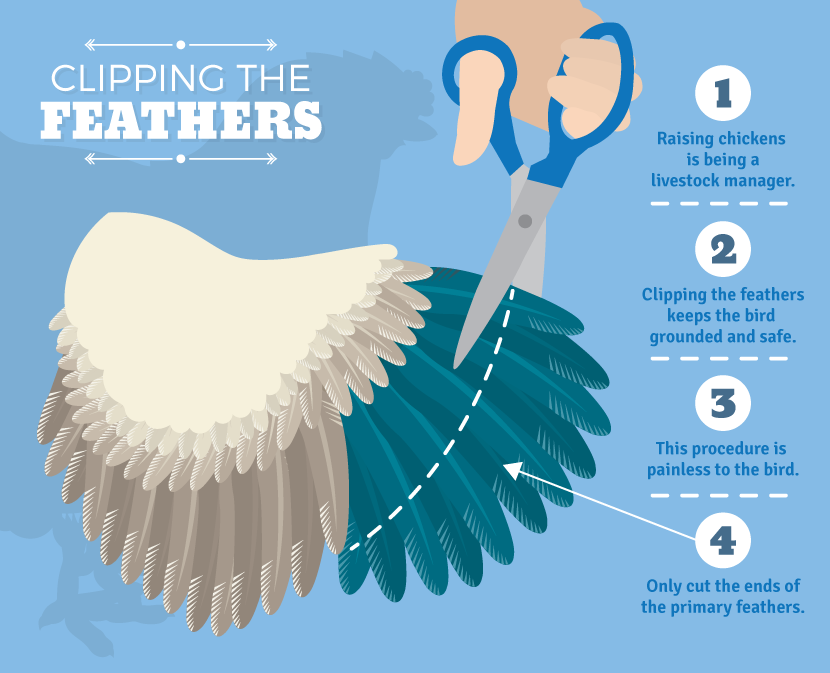
I found the image below really helpful when it came to what to cut and what not to cut. We’re hoping to get a video done soon to show you guys how to clip them properly and give you a bit more information on the birds themselves.
clip wings.png

Detecting & Treating Frostbite In Your Flock

It’s that time of year again, the days are getting shorter and the nights longer and colder, here’s some advice for the winter on how to detect and treat frostbite in your flock.

How to detect frostbite

Frostbite is damaged body tissue from extremely cold temperatures. Cells become frozen, which damages the tissue and prevents blood flow to the area. Chickens conserve their body heat by restricting blood flow to their feet, combs and wattles making these specific areas susceptible to frostbite. If your bird has frostbite, you’ll notice a change in these areas, they will become pale or grey. Depending on how bad the frostbite is, you may also notice changes in their appetite or lack of, swelling and blisters as well as the tissue feeling cold or hard to touch.

frostbite.png

How to treat Frostbite

Once you’ve detected frostbite on your chickens, ensure you move the affected bird to a warmer, dry location. Don’t massage the area to warm it up as this could damage the surrounding tissue. You need to warm the area up slowly. For example, if your chicken is developing frostbite on their feet start by submerging their feet in lukewarm water instead of hot water.

Keep the area as clean as possible to prevent infection. Using a veterinarian antiseptic spray like the ‘Curaseb’ Antiseptic spray (available on Amazon) and use this to clean the area.

Buy Antiseptic spray Here

A full recovery from frostbite can take between 4–6 weeks. You just need to keep an eye on the affected area and check for infection. If the area develops blisters, do not touch them as they are part of the healing process.

Keep the affected chicken in a dry area by adding a heater to the coop or assigning a specific recovery area.

If the area is large, then don’t hesitate to get some advice from your local poultry vet and follow their instructions.

How to prevent Frostbite

The easiest way to prevent frostbite is to ensure your chicken coop has proper ventilation. Ensure that the bedding is dry by only allowing them access to water outside of the coop, but ensure that this is not frozen and monitor how much water they are drinking to ensure that they stay hydrated. Have a look at our blog post on ‘preparing your coop for winter’ for some more helpful tips.

Preparing your coop for winter


Preparing Your Coop For Winter

Ensuring your coop is ready for winter is vital for the health, happiness and production of your birds. Here’s a few tips on how to make your chicken coop ready for the cold winter months.

LightLight is a vital part of helping your hens keep laying through the winter. Adding in artificial daylight extends the daytime for the hens and the laying time.

InsulationEnsure that your coop should be properly insulated to reduce heat transfer or flow and helps moderate the temperature.

FrostbiteYou must regularly check your birds with large combs for signs of frostbite.

Eliminate Drafts -Seal any holes and cracks that are large enough to let light inside the coop. Blocking these up ensure that the heat stays inside the coop.

Keep your birds well fed Making sure your birds are well fed is vital. The digestion process will raise the core temperature of the chicken and this will improve their circulation.

Accessible Water – Chickens need constant access to water. You could insulate the water source, replace the water every day to avoid freezing, hang a lamp above the water or invest in a heated bucket.

winterising coops.png

Planting Our Orchard

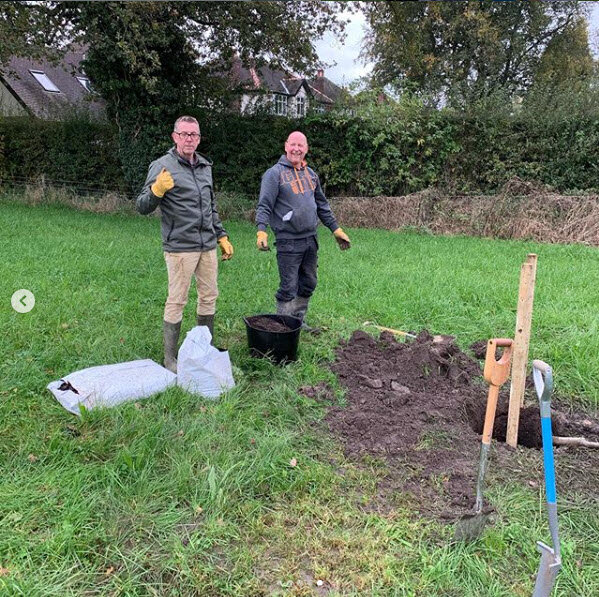
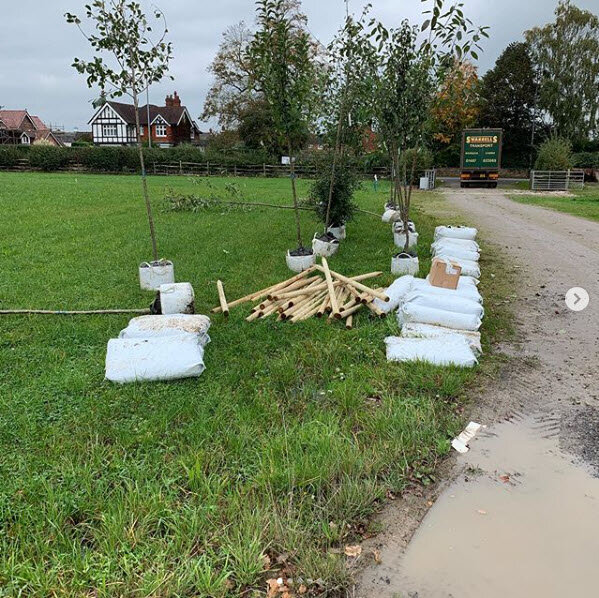
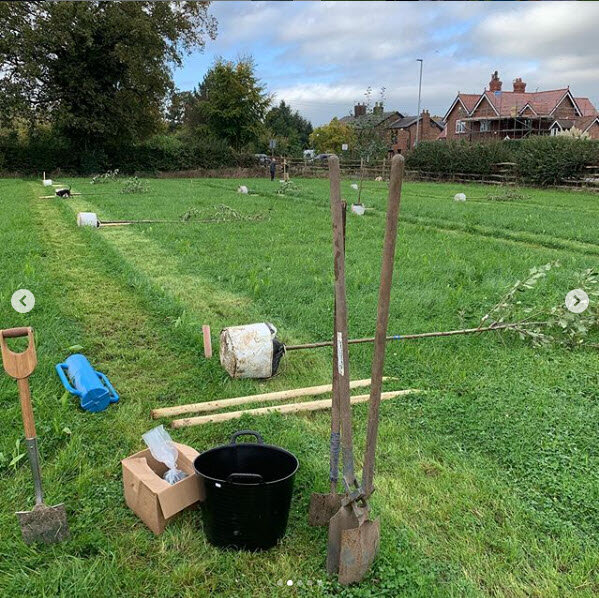
This past week we’ve been planting our new orchard. The trees we bought are about 10 years old and a mixture between Pear, Apple, Cherry and Plums. We picked these fruits, not only for our benefit, but also for the chickens. When the trees start to drop fruit, we’ll let the chickens roam around and collect the fallen fruits, while also fertilising the soil to help the trees.

We’ve recently also had 4 bee hives brought to our farm by a local man who loves the bee-keeping process. Having the bees around will be a bonus for our fruit trees next summer! We tried this year to grow Pumpkins, which relies on the pollination of the flowers to create the fruits. We were mildly successful with 9 fully grown pumpkins just in time for Halloween, but having the bees around for next year will be a massive bonus!

Pumpkin Season

Yes, it's Halloween! Having pumpkins around, as well as great for carving are also amazing nutrients for your chickens!

There’s loads of different ways you can feed pumpkins to you chickens, you can literally hang it up from the roof of the coop and let them all peck at it. You can slice it up to make it a bit easier for them or you could make them a ‘Poultry Pie’. Your flock will love it all regardless!

how to make poultry pie
pumpkins.jpg

Do you need a Cockerel for a hen to produce an egg?

I’ve had a few people ask me now if it’s a necessity to have a cockerel for a hen to produce eggs. The simple answer is no, a hen will naturally lay an egg roughly once a day (this time frame will change depending on the breed of hen). A hen is hatched with all the eggs they will ever lay inside them. At about 6 months old the hen will start to lay. The process is that a mature yolk then enters the tunnel, the egg then moves through the oviduct, it’s at this point when the cockerel would fertilise the egg. The yolk is then covered in its white and protective fibres. Further through the process the shell is formed to protect the egg. The egg is then released through the vent which is also shared by the intestine. The egg is laid and the process starts over again.

You only need a cockerel if you’re wanting to breed from the hens.