Graceful Guardians of the Night: Discovering Barn Owls

Barn owls, with their ghostly appearance and remarkable hunting skills, have long captured the fascination of nature enthusiasts and bird lovers. These enigmatic creatures play a vital role in maintaining the balance of ecosystems by controlling rodent populations. In this blog post, we'll delve into the captivating world of barn owls, exploring their unique characteristics, behaviours, and the importance of their conservation.

The Silent Hunters:

Barn owls (Tyto alba) are renowned for their exceptional ability to fly silently through the night. Their specialised wing structure and soft fringes on their feathers minimise noise, allowing them to surprise their prey without warning.

Ghostly Appearance:

Easily recognisable, barn owls have heart-shaped faces and stark white, heart-shaped discs on their pale faces. This distinctive facial structure helps funnel sound toward their ears, aiding them in locating prey even in complete darkness.

Nocturnal Navigators:

Adapted to a nocturnal lifestyle, barn owls have excellent low-light vision. Their large, dark eyes are well-suited for spotting movement in the dark, allowing them to hunt with precision under the cover of night.

A Varied Diet:

Barn owls are voracious predators that primarily feed on small mammals, particularly rodents like mice and voles. A single barn owl can consume hundreds of rodents each year, making them valuable allies for farmers seeking natural pest control.

Silent Flight Technique:

The unique wing structure of barn owls includes serrated wing feathers that break up the turbulence of the air, reducing the noise of their flight. This feature, combined with their specialised feather adaptations, grants them near-silent flight.

Nesting Habits:

Barn owls often make their homes in secluded places such as barns, old buildings, tree hollows, or cliffs. They don't build elaborate nests; instead, they use their surroundings to create a cozy spot for raising their young.

Family Dynamics:

Female barn owls typically lay 4-7 eggs in a clutch, and both parents take turns incubating the eggs and caring for the hatchlings. Owlets are born with a layer of downy feathers and gradually develop their adult plumage as they grow.

Our very own barn owl chicks!

Conservation Concerns:

While barn owls are skilled hunters, they face various challenges, including habitat loss, pesticide exposure, and road fatalities. Conservation efforts are vital to protect these valuable predators and maintain the delicate balance of their ecosystems.

Promoting Barn Owl Conservation:

  • Create suitable nesting sites in your property, such as owl boxes or platforms.

  • Minimize pesticide use to protect their prey and prevent toxic buildup.

  • Support organisations dedicated to barn owl conservation through donations or volunteering.

Encouraging Awareness:

Educating others about the importance of barn owls in controlling rodent populations and maintaining ecosystem health is crucial. Hosting workshops, talks, or online campaigns can raise awareness and foster a sense of responsibility for their well-being.

Barn owls, with their unique adaptations and crucial role in pest control, are not just symbols of the night but vital contributors to our ecosystems. By understanding and appreciating these captivating creatures, we can take steps to ensure their protection and continue benefiting from their remarkable hunting skills while marveling at their ethereal beauty.

How to check if a chicken egg is fertilised

Checking if a chicken egg is fertilised can be a bit tricky without specialised equipment, but there are a few simple methods you can try. Keep in mind that these methods might not provide a definitive answer, but they can give you a general idea. Remember that the most accurate way to determine if an egg is fertilised is through egg candling, which involves shining a light through the egg to observe its contents.

(See our blog post about eggs and incubation for more details)

Egg Candling: While not as simple as the other methods, egg candling is the most accurate way to determine if an egg is fertilised. You can do this by holding a bright light or candle against the egg in a dark room. A fertilised egg will show some development, such as veins, a dark spot (the embryo), and a shadowy mass. ( I tend to use my Iphone light in a very dark room. This seems to do the trick!)

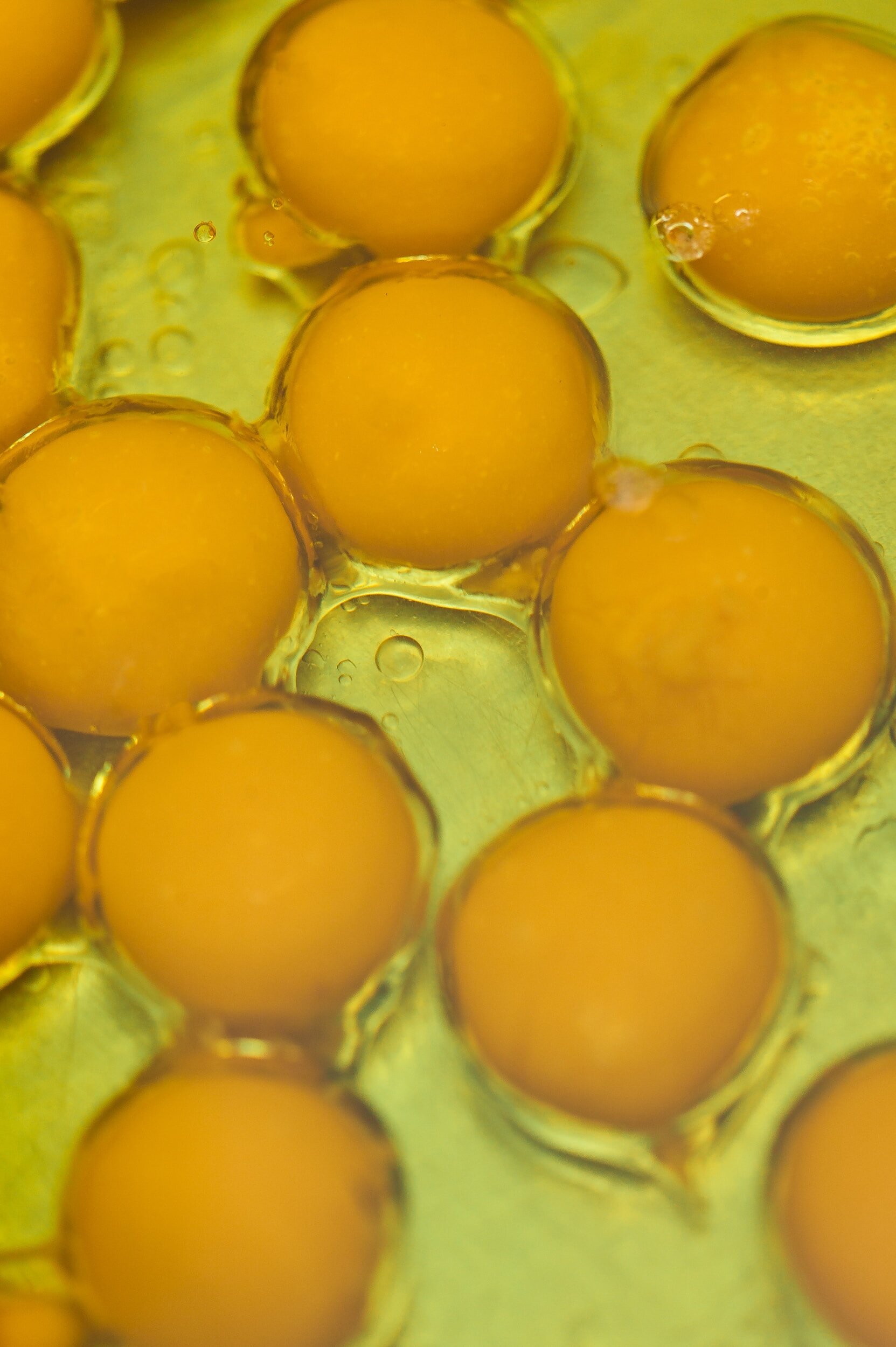
Egg Development: If you crack open an egg and see a small dot-like structure on the yolk (called the blastodisc), it indicates that the egg was not fertilised. If there's a small white ring around the dot (the blastoderm), it suggests that the egg might be fertilised.

Egg Behaviour in an Incubator: If you're incubating eggs, you might notice that some eggs start to develop over time while others remain unchanged. Eggs that are being incubated without a rooster's contribution will not develop into embryos. If an egg has been fertilised and it is developing into a chick, the weight of the egg will change. The development of a chick will use the water content in the shell. The weight of the egg will get lighter during the incubation process.

These are just a few tips that might help you determine if your eggs are fertile or not!

Getting Your Coop Ready for Autumn: Essential Steps for a Happy Flock

As the days grow shorter and the temperature begins to dip, it's time to prepare your chicken coop for the upcoming autumn season. Ensuring a cozy and well-equipped coop will not only keep your feathered friends comfortable but also help them stay healthy during the colder months. In this blog post, we'll guide you through essential steps to get your coop ready for autumn, so your chickens can thrive no matter the weather.


1. Deep Clean and Declutter: Before the chill sets in, give your coop a thorough cleaning. Remove all bedding and debris, scrub the floors and surfaces, and disinfect with a poultry-safe cleaner. Decluttering ensures a hygienic environment for your chickens to roost and nest.


2. Inspect and Repair: Check for any cracks, gaps, or potential points of entry for drafts or predators. Repair any damages to the coop structure, windows, and doors. A well-sealed coop keeps cold air out and warm air in.


3. Improve Ventilation: While sealing gaps is essential, ventilation is equally crucial to prevent humidity buildup. Install adjustable vents or windows that allow for proper airflow without causing drafts directly on your chickens.


4. Add Cozy Bedding: Replace old bedding with fresh, clean materials like straw, wood shavings, or chopped leaves. Deep litter bedding not only provides insulation but also generates heat as it decomposes, keeping the coop warm.


5. Consider Heating Options (If Necessary): Depending on the severity of your region's winters, you might need to introduce additional heat sources. Opt for safe and approved heating solutions such as heat lamps or panel heaters, but be cautious of fire hazards and ensure proper wiring.


6. Insulate the Walls: For coops in colder climates, adding insulation to the walls can help regulate the temperature. Insulated walls prevent extreme temperature fluctuations and keep your chickens comfortable.


7. Provide Dust Bath Areas: Autumn weather might bring rain, making it difficult for chickens to indulge in their usual dust baths. Create a sheltered area with dry dirt or sand where they can maintain their plumage.


8. Secure Nesting Boxes: Ensure the nesting boxes are well-insulated and draft-free. Line them with clean and cozy bedding to encourage egg-laying during cooler days.


9. Adjust Roosting Bars: Rearrange roosting bars so that they're lower during autumn. This helps your chickens huddle together more closely, sharing body heat for added warmth.


10. Offer Nutrient-Rich Feed: As temperatures drop, chickens require extra energy to maintain body heat. Transition to a feed with higher protein and fat content to support their needs during colder months.

11. Provide Fresh Water: Ensure your chickens have access to clean, unfrozen water at all times. Invest in a heated waterer to prevent freezing during chilly nights.


12. Prepare for Shorter Days: As daylight hours decrease, consider adding artificial lighting in the coop to provide the recommended 14-16 hours of light for consistent egg production.


By taking proactive steps to prepare your chicken coop for autumn, you're ensuring the well-being and comfort of your flock as the temperatures drop. With a clean, cozy, and well-equipped coop, your chickens will continue to thrive throughout the season, providing you with fresh eggs and joyful interactions.

Homemade Lemon Curd Delight: A Zesty Recipe with Eggs

Lemon curd is a bright and tangy delight that adds a burst of flavour to desserts, breakfast treats, and even as a standalone spread. Making your own lemon curd using eggs is surprisingly simple and incredibly rewarding. In this blog post, we'll guide you through a step-by-step process to create a velvety-smooth lemon curd that's perfect for adding a touch of sunshine to your culinary creations.

Ingredients:

  • 3-4 large lemons, zested and juiced (about 1/2 cup of juice)

  • 1 cup granulated sugar

  • 4 large eggs

  • 1/2 cup unsalted butter, cubed

Instructions:

  1. Prep the Ingredients:

    • Wash and zest the lemons, making sure to only zest the outer layer, avoiding the bitter white pith.

    • Juice the lemons to yield about 1/2 cup of fresh lemon juice.

    • Cube the unsalted butter and set it aside to come to room temperature.

  2. Create the Double Boiler:

    • Fill a medium-sized saucepan with a few inches of water and bring it to a gentle simmer.

    • Place a heatproof bowl on top of the saucepan, ensuring that the bottom of the bowl doesn't touch the water. This creates a double boiler.

  3. Whisking the Mixture:

    • In the heatproof bowl, whisk together the lemon zest, lemon juice, granulated sugar, and eggs until well combined.

  4. Cooking the Mixture:

    • Place the bowl over the simmering water in the saucepan. The steam from the water will gently heat the mixture as you stir.

    • Continue whisking the mixture constantly as it cooks. It will thicken gradually, reaching the consistency of a thick custard. This process can take around 10-15 minutes.

  5. Incorporate the Butter:

    • Once the mixture has thickened, remove it from the heat.

    • Gradually add in the cubed butter, stirring until the butter is completely melted and the curd is smooth and glossy.

  6. Straining (Optional):

    • For an extra-smooth texture, strain the lemon curd through a fine mesh strainer into a clean bowl to remove any zest or egg bits.

  7. Cooling and Storing:

    • Allow the lemon curd to cool to room temperature. As it cools, it will thicken further.

    • Transfer the lemon curd to clean, sterilized jars or airtight containers. Store it in the refrigerator for up to two weeks.

Usage Ideas:

  • Spread on toast or scones for a zesty breakfast treat.

  • Use as a filling for cakes, cupcakes, and pastries.

  • Swirl into yogurt or oatmeal for a tangy twist.

  • Drizzle over pancakes or waffles.

  • Incorporate into homemade ice cream or parfaits.

Conclusion: Creating your own luscious lemon curd using eggs is a flavorful endeavor that's sure to brighten up your culinary creations. With just a few simple steps, you can enjoy the sweet and tangy goodness of homemade lemon curd, adding a burst of sunshine to your dishes and delighting your taste buds.

Creating a Chicken-Friendly Garden: Harmony Between Greenery and Feathered Friends

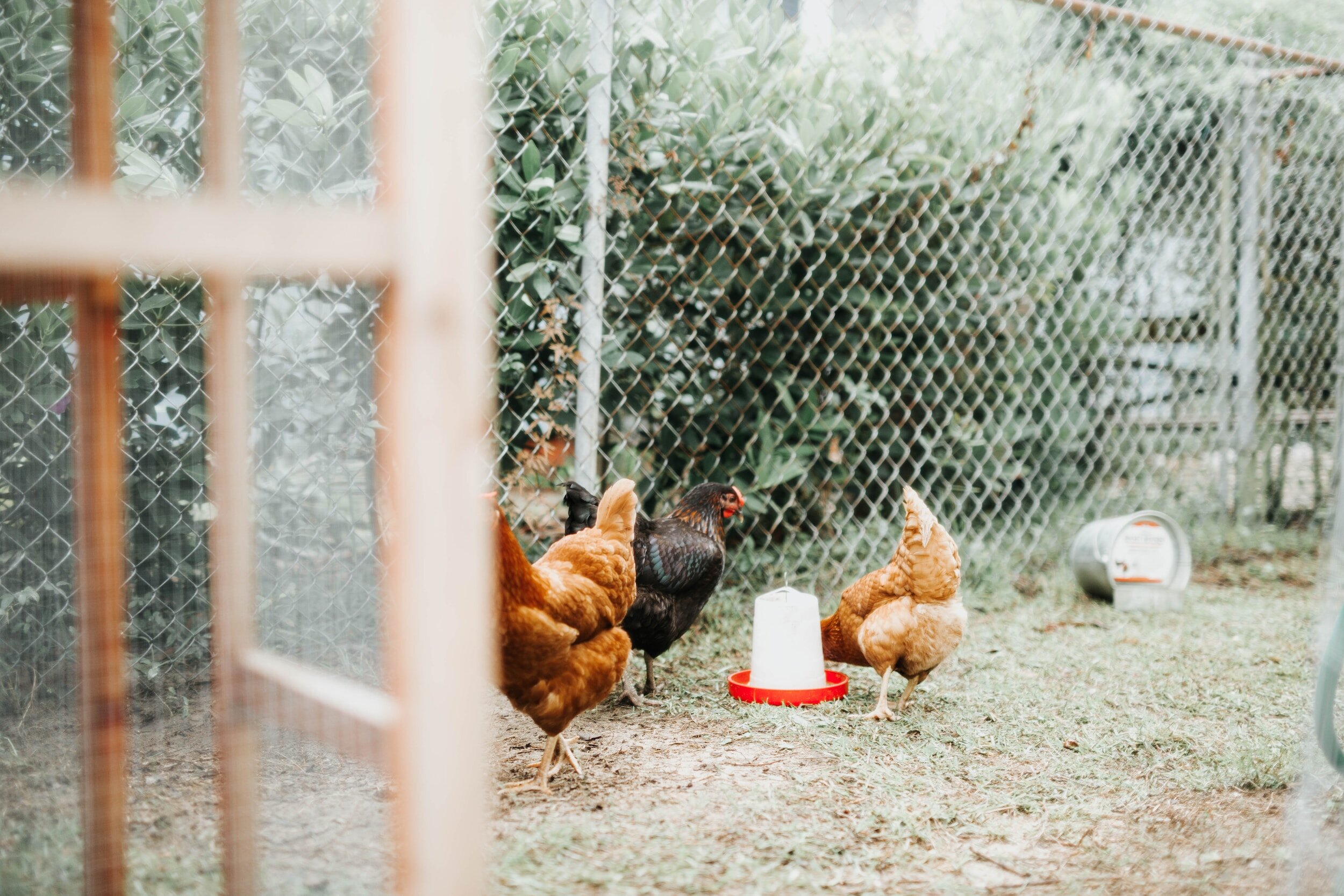
Gardening enthusiasts and chicken keepers often find themselves seeking a harmonious balance between lush vegetation and their feathered companions. Designing a chicken-friendly landscape not only enhances the well-being of your flock but also adds charm to your outdoor space. In this blog post, we'll explore the art of cultivating a garden that welcomes both plants and poultry with open arms.


1. Zoning Your Garden: To maintain a harmonious environment, designate separate zones for your chickens and your plants. Designate a chicken run or coop area where your feathered friends can scratch and forage freely without disturbing your precious plants.


2. Chicken-Friendly Plants: Opt for plant species that not only beautify your garden but also offer benefits to your chickens. Plants like comfrey, nasturtiums, and sunflowers provide both food and shelter. Include herbs like lavender, mint, and oregano, which have natural pest-repellent properties.

3. Fencing with Finesse: Employ effective fencing to create a barrier between your chickens and delicate garden beds. A low fence or raised garden beds can discourage chickens from venturing where they shouldn't be.

4. Mulching for Health: Implement mulching to protect your plants' root systems and deter chickens from scratching the soil. Wood chips, straw, or leaves can create an effective barrier while enriching the soil as they break down.

5. Composting Collaboration: Integrate a composting system that involves both kitchen scraps and chicken manure. This symbiotic relationship transforms waste into nutrient-rich compost that benefits your garden soil.

6. Creative Foraging Areas: Designate specific areas within your garden for controlled foraging. Scatter scratch grains or kitchen scraps, encouraging your chickens to focus their foraging activities where you want them to.

7. Natural Insect Control: Capitalise on your chickens' natural pest control abilities. Allow them access to garden areas for a limited time, where they can feast on pests like slugs, snails, and insects.

8. Protecting Young Plants: Shield vulnerable plants by using wire cages or cloches until they're established. This helps prevent accidental damage from curious chickens while allowing plants to grow safely.

9. Mulched Pathways: Create mulched pathways or gravel walkways within your garden. These paths can guide your chickens through the garden without causing damage to your plant beds.


10. Rotation and Rest: Just like crop rotation in agriculture, consider rotating your chickens' access to different parts of the garden. Allowing some areas to rest and regenerate will help keep your garden in balance.


11. Dust Bath Delight: Provide designated dust bath areas for your chickens, complete with loose soil and sand. This keeps them engaged and minimizes their impact on garden beds.

With a thoughtful approach to design and planning, it's entirely possible to create a garden that thrives alongside your beloved chickens. By implementing these chicken-friendly landscaping strategies, you can cultivate a space where both plants and poultry coexist harmoniously, enhancing the beauty and functionality of your outdoor haven.

Mastering Eggs Benedict: A Step-by-Step Guide to a Classic Brunch Delight

Eggs Benedict, with its luxurious combination of poached eggs, crispy Canadian bacon, and velvety hollandaise sauce, is a brunch favourite that never goes out of style. While it may seem like a restaurant-worthy dish, making Eggs Benedict at home is entirely achievable and immensely satisfying. In this blog post, we'll walk you through the process of creating the perfect Eggs Benedict to impress your family and friends at your next brunch gathering.

Ingredients:

For the Hollandaise Sauce:

  • 3 large egg yolks

  • 1 tablespoon lemon juice

  • 1/2 cup unsalted butter, melted

  • Salt and cayenne pepper to taste

For the Poached Eggs:

  • 4 large eggs

  • 1 teaspoon vinegar (white or apple cider)

  • Water

For Assembly:

  • 4 English muffins, split and toasted

  • 8 slices bacon, ham or smoked salmon

  • Fresh chives or parsley for garnish (optional)

Instructions:

Prepare the Hollandaise Sauce:

  1. In a heatproof bowl, whisk together the egg yolks and lemon juice until well combined and slightly frothy.

  2. Place the bowl over a pot of simmering water (double boiler) and continue whisking vigorously.

  3. Gradually drizzle in the melted butter while whisking constantly. The sauce should thicken and become creamy.

  4. Season the hollandaise with salt and a pinch of cayenne pepper for a hint of heat. Remove from heat and keep warm.

Poach the Eggs:

  1. Fill a wide saucepan with about 2-3 inches of water and add the vinegar. Bring the water to a gentle simmer; avoid boiling.

  2. Crack one egg into a small bowl or ramekin.

  3. Create a gentle whirlpool in the simmering water using a spoon. Slide the egg into the whirlpool, allowing the water to envelop the egg whites.

  4. Poach the egg for about 3-4 minutes for a runny yolk or longer for a firmer yolk.

  5. Gently lift the poached egg out of the water using a slotted spoon and place it on a plate lined with paper towels. Repeat the process for the remaining eggs.

Assemble the Eggs Benedict:

  1. Place toasted English muffin halves on individual serving plates.

  2. Layer each muffin half with a slice of bacon, ham or smoked salmon.

  3. Carefully place a poached egg on top of each Canadian bacon slice.

Finish with Hollandaise:

  1. Spoon a generous amount of hollandaise sauce over each poached egg, allowing it to cascade over the sides.

  2. Garnish with chopped chives or parsley for a fresh burst of color and flavor.

Serve and Enjoy:

Place your beautifully assembled Eggs Benedict on a serving platter and bring them to the Crafting Eggs Benedict from scratch might seem like a culinary adventure, but with a little practice and attention to detail, you can achieve brunch perfection in your own kitchen. The harmonious marriage of poached eggs, tender Canadian bacon, and rich hollandaise sauce is a testament to the beauty of classic recipes that stand the test of time.

The Captivating Tale of the Cream Legbar Rare Breed Chicken

Introduction

In the diverse world of poultry, where feathers come in a rainbow of colours and personalities are as distinct as clucks, one breed stands out as a beacon of rarity and allure—the Cream Legbar chicken. This captivating breed boasts a history as unique and colourful as its plumage, tracing its roots back to the early 20th century. Join us on a journey through time to uncover the fascinating history of the Cream Legbar, a rare gem among chicken breeds.

The Origins

The Cream Legbar breed emerged in the United Kingdom during the 1930s, a period marked by a surge in poultry breeding experiments. Geneticist Reginald Punnett and poultry farmer Michael Pease are credited with the creation of the Cream Legbar, aiming to develop a versatile breed that combined both beauty and utility. The breed's ancestry includes contributions from the Leghorn, Barred Plymouth Rock, and Araucana chickens, each lending unique traits to the mix.

Distinctive Features

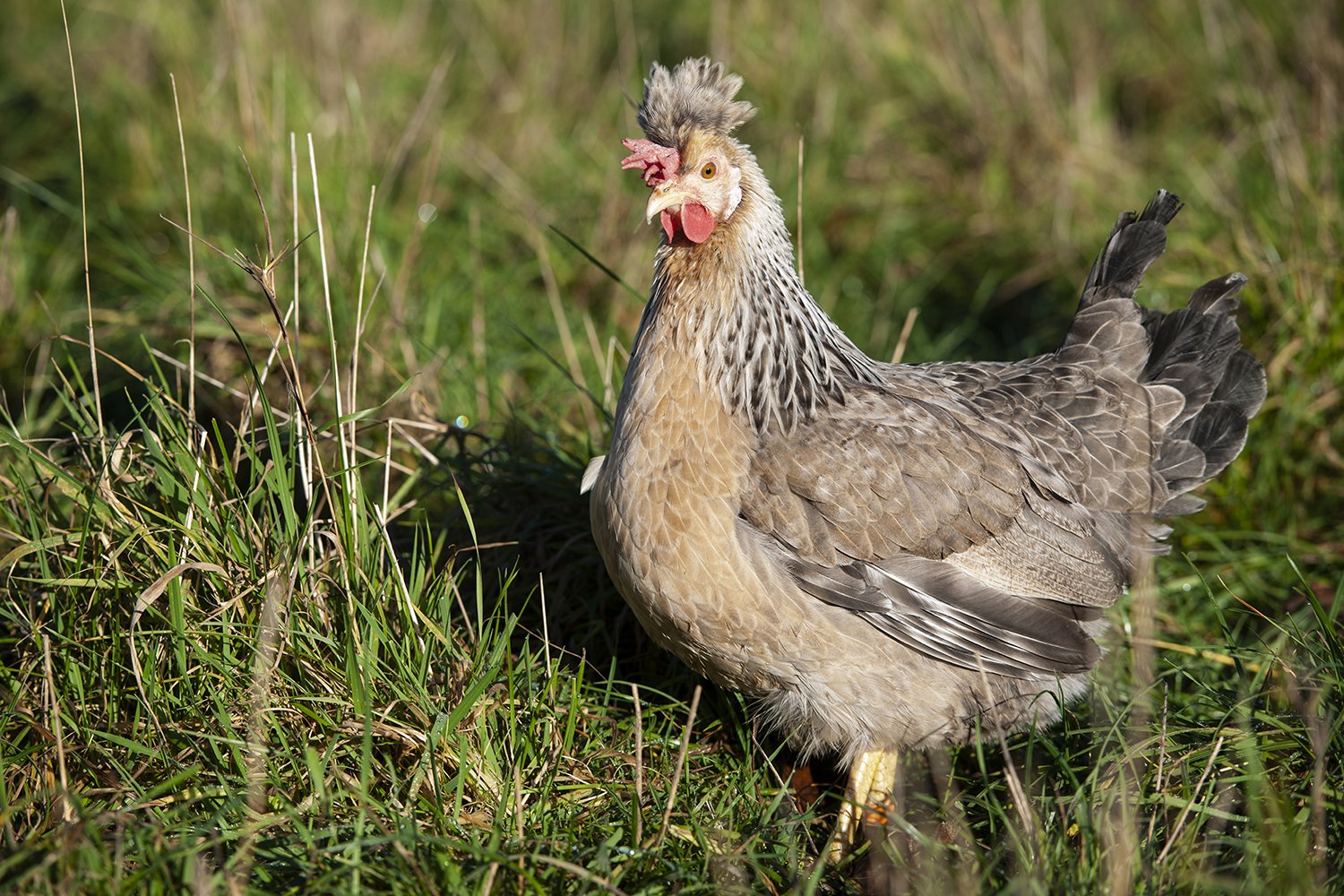
One of the most captivating features of the Cream Legbar is its distinctive appearance. Its striking combination of cream-coloured feathers, irregular barring, and crests harks back to the Araucana influence. Notably, the breed often displays a small crest of feathers atop its head, which only adds to its charm.

Egg-cellence and Utility

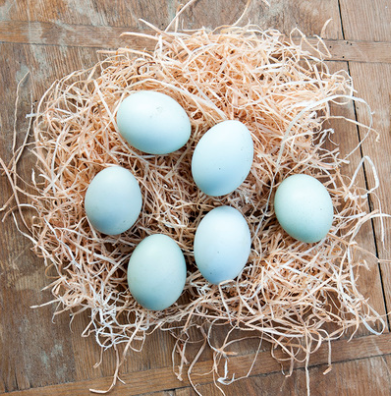
Beyond its aesthetic appeal, the Cream Legbar's utility has also contributed to its historical significance. These chickens were bred for their egg-laying prowess, which remains a sought-after trait among poultry enthusiasts. The breed is known for laying blue or green eggs, a legacy of the Araucana's influence. This unique trait has only added to the Cream Legbar's allure and popularity.

Challenges and Resurgence

Like many heritage breeds, the Cream Legbar faced challenges over the years. In a world dominated by commercial poultry production, this rare breed struggled to find a place. However, the passion of dedicated breeders and poultry preservationists ensured that the Cream Legbar did not fade into obscurity. Thanks to their efforts, the breed has experienced a resurgence in popularity among backyard chicken keepers, small-scale farmers, and sustainable agriculture enthusiasts.

Present-Day Impact

In the modern era, the Cream Legbar continues to captivate chicken enthusiasts and breeders alike. Its unique appearance, colourful history, and egg-laying prowess make it a favourite among those who appreciate the blend of aesthetics and utility in their flock. The breed's rarity only adds to its appeal, with dedicated breeders working to maintain its genetic integrity and protect it from the threat of homogenisation.

Conclusion

The Cream Legbar stands as a testament to the artistry of poultry breeding and the persistence of those who cherish rare and distinct breeds. Its journey through time, from its innovative origins to its revival in the present day, showcases the delicate balance between form and function that defines the breed's legacy. As we celebrate the Cream Legbar's place in the tapestry of poultry history, we also acknowledge the importance of preserving such rare gems for generations to come, ensuring that their stories continue to be told in backyards and farms around the world.

Preserving Genetic Diversity: The Role of Smallholding Farms in Maintaining Rare Breed Chicken Populations

In an era where industrialised agriculture dominates the landscape, the importance of preserving genetic diversity in our food sources cannot be overstated. One such area that often goes unnoticed but holds immense significance is the conservation of rare breed chicken populations. These unique and often historical breeds are at risk of disappearing, making the role of smallholding farms in maintaining and protecting their genetic diversity all the more crucial.

The Rarity of Rare Breeds

Rare breed chickens, unlike their commercial counterparts, possess traits that are often suited to specific regional climates, traditional farming practices, and culinary preferences. These breeds have been carefully developed over centuries to exhibit qualities such as disease resistance, adaptability to local conditions, and exceptional taste. However, due to the rapid expansion of industrial agriculture and the focus on high-yielding commercial breeds, many of these rare chicken breeds have been pushed to the brink of extinction.

The Significance of Genetic Diversity

Maintaining genetic diversity within chicken populations is essential for several reasons. Firstly, diverse genetic traits ensure that chickens are better equipped to withstand diseases that can rapidly spread through monoculture populations. Secondly, genetic diversity provides a valuable resource for future breeding efforts, which might require specific traits such as adaptability to changing climates or unique flavour profiles. Lastly, rare breed chickens are an integral part of our agricultural heritage and contribute to cultural and culinary diversity.

The Role of Smallholding Farms

Smallholding farms, often characterised by their modest size and commitment to sustainable farming practices, play a critical role in the preservation of rare breed chicken populations. These farms serve as sanctuaries for endangered breeds, providing a safe haven where these chickens can thrive without the threat of being outcompeted by more common, high-production breeds. Smallholding farmers prioritise the preservation of genetic diversity over sheer productivity, and this commitment ensures that these rare breeds have a fighting chance against extinction.

Challenges Faced by Smallholding Farms

Despite their vital role, smallholding farms encounter several challenges in their efforts to conserve rare breed chickens. Limited financial resources, lack of access to advanced breeding techniques, and the need for education and awareness all pose significant obstacles. Additionally, finding markets for products from rare breeds can be difficult due to the prevalence of commercial chicken products in the market. However, consumers' growing interest in sustainability, local produce, and unique culinary experiences is gradually creating a demand for products from rare breed chickens.

The Way Forward

The conservation of rare breed chicken populations requires a collaborative effort between smallholding farms, agricultural organisations, and consumers. Governments can provide support through grants, subsidies, and incentives to encourage the preservation of genetic diversity. Agricultural extension services and educational programs can equip smallholding farmers with the knowledge and skills needed to manage and breed these rare chickens effectively.

Consumers also play a vital role by choosing to support local smallholding farms and seeking out products from rare breed chickens. By valuing the unique flavours and cultural heritage associated with these breeds, consumers can contribute to their preservation.

In Conclusion

Preserving the genetic diversity of rare breed chicken populations is not just about protecting the past; it's about securing the future of our food systems. Smallholding farms are the unsung heroes in this endeavour, dedicating themselves to the cause of conservation against the tide of commercialisation. By recognising the value of these farms and the significance of genetic diversity, we can ensure that these unique breeds continue to enrich our culinary landscape for generations to come.

Nurturing Rare Breed Chickens: A Journey from Hatching to Adulthood

Raising rare breed chickens is a rewarding endeavour that allows us to connect with nature and heritage while preserving unique genetic strains. The journey from hatching to adulthood is a fascinating one, requiring careful attention and dedication at each stage. In this blog post, we will explore the different stages of a rare breed chicken's life and the specific care they need along the way.

1. Hatching Stage

The journey of a rare breed chicken begins in the incubator or under a broody hen. During this stage, optimal conditions are crucial for healthy embryo development:


Temperature and Humidity: Maintain a consistent temperature of around 99.5°F (37.5°C) and humidity levels of 50-60%. Fluctuations can lead to developmental issues.


Turning Eggs: If using an incubator, turn the eggs several times a day to prevent the embryo from sticking to the shell and ensure even development.


2. Brooding Stage

Once the chicks hatch, they are vulnerable and require a warm and safe environment. Brooding involves setting up a suitable space for the young chicks:


Brooder Setup: Use a brooder box or pen with a heat source (heat lamp or heating plate). The temperature should start around 95°F (35°C) and decrease by 5°F (2.8°C) each week until ambient temperature is reached.


Bedding: Provide clean, non-slippery bedding like pine shavings. This helps prevent leg issues and provides a comfortable surface for the chicks.


Water and Feed: Offer fresh water and starter feed formulated specifically for young chicks. Proper nutrition is essential for healthy growth.


3. Growing Stage

As the chicks grow, their needs evolve, and they start exploring their surroundings:


Transition to the Outdoors: When they are feathered enough (around 5-8 weeks), gradually introduce them to outdoor spaces. This process, called "hardening off," helps them adapt to temperature changes.


Space Requirements: Ensure enough space to prevent overcrowding, which can lead to stress and disease. Provide at least 2-3 square feet per bird in the coop.


Varied Diet: Transition to a balanced diet that includes a mix of grains, greens, and insects. This helps promote healthy development and supports their immune system.


4. Adolescent Stage

During adolescence, chickens undergo significant changes, including the development of social hierarchies:


Social Dynamics: Be observant of any bullying or aggression among the birds. Provide hiding spots and multiple feeding/watering stations to reduce conflicts.


Supervised Free-Range: Allow supervised free-range time to encourage foraging and exploration, but protect them from predators.


5. Adulthood

Reaching adulthood is an achievement that brings a sense of accomplishment. At this stage:


Egg Production: If raising laying hens, expect the onset of egg production around 5-6 months. Provide nesting boxes with clean bedding for them to lay eggs.

Cockerel Behaviour: If keeping cockerels, be prepared for crowing and territorial behaviour. Monitor their interactions to prevent aggression.


Health Maintenance: Regularly inspect for signs of illness, trim beaks and nails if needed, and ensure their living space remains clean.


Raising rare breed chickens is an enriching experience that allows us to play a part in preserving genetic diversity. From the delicate hatching stage to the majestic adulthood, each phase requires attentive care and understanding of their changing needs. By providing the right environment, nutrition, and attention, you can enjoy the companionship of these unique birds while contributing to their wellbeing and the continuation of rare breeds for generations to come.

WE NEED YOUR HELP

WE NEED YOUR HELP

Hi everyone, you may have recently seen the news that the Shepherd’s Hut has been given an enforcement notice by Warrington Borough Council. There has been a lot of speculation around this notice and we would like to take the opportunity to shed some light on the situation.


The council have said that we have changed the use of the land without planning permission. You’ll see the comments below from the council and our response to their points. We want everyone to understand our point of view and why we have appealed the council’s enforcement notice.


We’ve received such great support from our local and the wider community and we really appreciate anyone taking the time to stand up for us and what we believe is an asset to the community!


Councils view: Breach, without planning permission to retail space.

Our response: As an agricultural business we can sell directly to the public via ‘farm gate sales’. This means we can sell any and all produce that is created by the farm on our land without having to apply for planning permission to change the use of the land to a retail space. 


Council view: Car park and access.

Our response: The access and hard standing around the access to our farmland by the bus stop on Higher Lane was in place before we purchased the land over ten years ago. This access does not have any legal restrictions indicating that it can only be used by agricultural vehicles.  


The Council object to the replacement of the reinforced grass system that we installed that allows customers to park off the main road and away from the bus stop. In our view it would have been an oversight not to provide this, especially with young children or less mobile customers visiting.


Councils view: Cease the sale of non-farm goods.

Our response: Our main farm produce consists of chickens, fresh eggs, fruit, jams, and farm harvested honey, which we sell straight from our farm and in our Shepherd’s Hut.


Our surplus eggs are used to create our own bakery products, we also offer some locally sourced produce alongside our own farm produce. So that we can support small local producers like ourselves. However, the Council are claiming that the baked goods cannot be classed as farm produce, even though all our bakery products are made by our Farm Manager in our Council approved kitchen, using our farm eggs and jams.


Our Shepherds Hut has been open for 3 years and is used and loved by many in our village community. 

Our aim as a family has always been to offer high quality produce from animals who are well loved, have the highest welfare standards, and thrive as a result of our approach to natural farming. 

Our main farm focus has always been to hatch and grow the numbers of rare breed chickens that are rapidly declining in the UK and share our love for small holding chicken farming with others. The revenue created from selling produce in our Shepherd’s Hut enables us to support our wider farming business and allows us to continue to hatch and breed our lovely hens.


Farming is tough, and developing a successful business is hard work - work that we love because our farm, our chickens, and our bees, help us to create products that we are proud to share with our local community.


Unfortunately, since opening our Shepherds Hut, we haven’t received support from Warrington Borough Council. The Council are now trying to enforce restrictions on our small family business which will make it much more difficult for us to share our farm produce with our lovely, supportive locals.


The government is actively encouraging farms to diversify while reducing farm subsidies, yet councils are actively restricting this by using their planning departments to stop diversification. It is really disheartening that we have to battle the council when in reality they should be trying to support what we are doing. It doesn’t seem fair that complaints from just a few individuals, affects all the local people that love what we are trying to do.

This is why we are asking for your help! If you love what we do and want us to continue to provide farm produce and locally sourced goods from our Shepherd’s Hut, we would be hugely grateful if you could make your support known and comment on our appeal for the Councils enforcement notice. All comments would need to be submitted by the 7th of August 2023, and comments can be added via the link below. 


https://acp.planninginspectorate.gov.uk/?fbclid=IwAR1GV0uXjLdclcANJBcojuD4dq684xCK6cT7fAilI8MM4PS1cKfFOiQirYk


Planning reference: 3322774