The Captivating Tale of the Cream Legbar Rare Breed Chicken

Introduction

In the diverse world of poultry, where feathers come in a rainbow of colours and personalities are as distinct as clucks, one breed stands out as a beacon of rarity and allure—the Cream Legbar chicken. This captivating breed boasts a history as unique and colourful as its plumage, tracing its roots back to the early 20th century. Join us on a journey through time to uncover the fascinating history of the Cream Legbar, a rare gem among chicken breeds.

The Origins

The Cream Legbar breed emerged in the United Kingdom during the 1930s, a period marked by a surge in poultry breeding experiments. Geneticist Reginald Punnett and poultry farmer Michael Pease are credited with the creation of the Cream Legbar, aiming to develop a versatile breed that combined both beauty and utility. The breed's ancestry includes contributions from the Leghorn, Barred Plymouth Rock, and Araucana chickens, each lending unique traits to the mix.

Distinctive Features

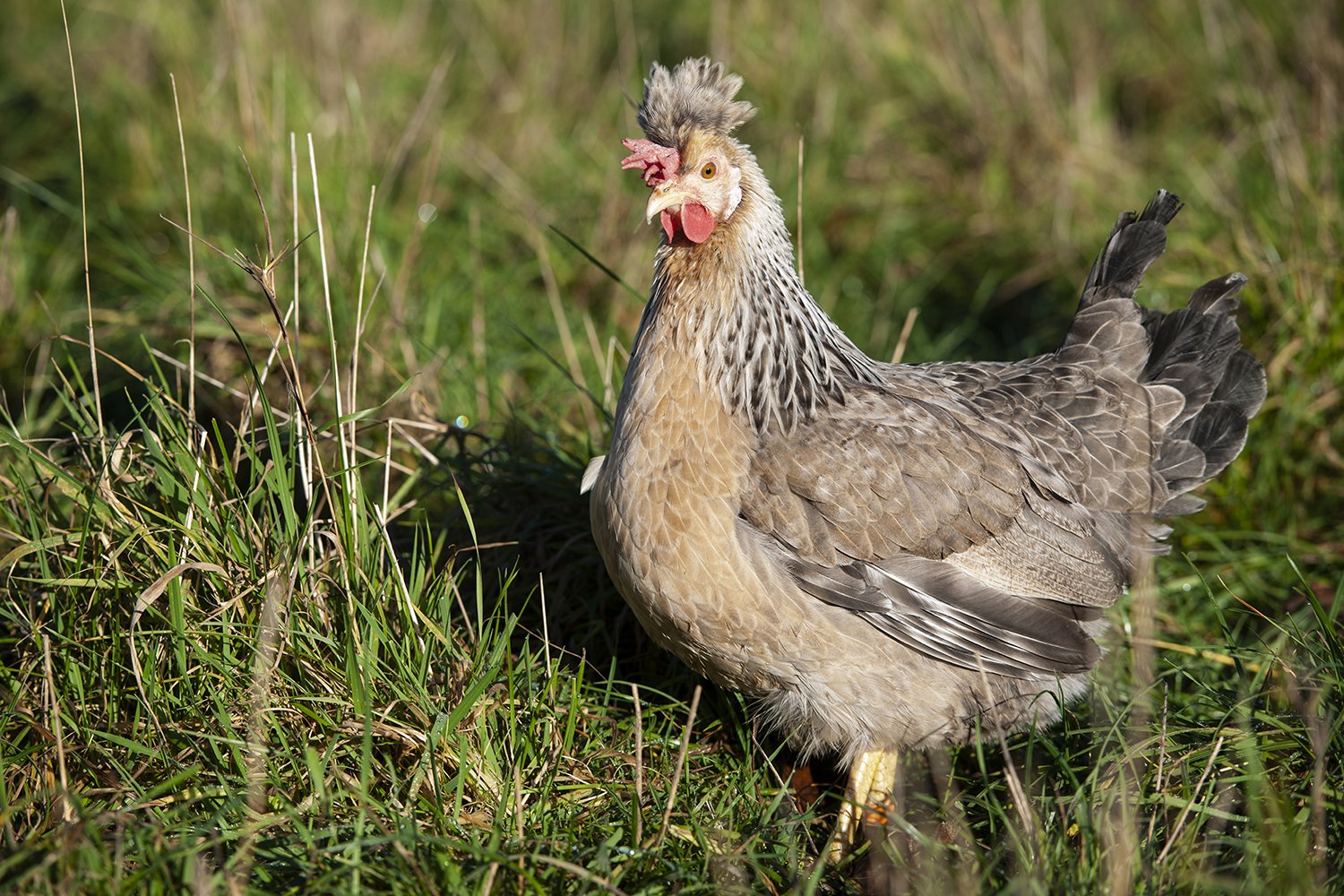
One of the most captivating features of the Cream Legbar is its distinctive appearance. Its striking combination of cream-coloured feathers, irregular barring, and crests harks back to the Araucana influence. Notably, the breed often displays a small crest of feathers atop its head, which only adds to its charm.
Egg-cellence and Utility

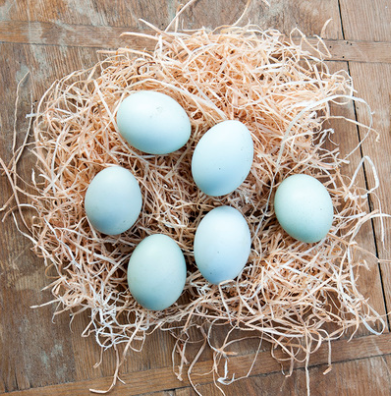
Beyond its aesthetic appeal, the Cream Legbar's utility has also contributed to its historical significance. These chickens were bred for their egg-laying prowess, which remains a sought-after trait among poultry enthusiasts. The breed is known for laying blue or green eggs, a legacy of the Araucana's influence. This unique trait has only added to the Cream Legbar's allure and popularity.
Challenges and Resurgence

Like many heritage breeds, the Cream Legbar faced challenges over the years. In a world dominated by commercial poultry production, this rare breed struggled to find a place. However, the passion of dedicated breeders and poultry preservationists ensured that the Cream Legbar did not fade into obscurity. Thanks to their efforts, the breed has experienced a resurgence in popularity among backyard chicken keepers, small-scale farmers, and sustainable agriculture enthusiasts.

Present-Day Impact

In the modern era, the Cream Legbar continues to captivate chicken enthusiasts and breeders alike. Its unique appearance, colourful history, and egg-laying prowess make it a favourite among those who appreciate the blend of aesthetics and utility in their flock. The breed's rarity only adds to its appeal, with dedicated breeders working to maintain its genetic integrity and protect it from the threat of homogenisation.

Conclusion

The Cream Legbar stands as a testament to the artistry of poultry breeding and the persistence of those who cherish rare and distinct breeds. Its journey through time, from its innovative origins to its revival in the present day, showcases the delicate balance between form and function that defines the breed's legacy. As we celebrate the Cream Legbar's place in the tapestry of poultry history, we also acknowledge the importance of preserving such rare gems for generations to come, ensuring that their stories continue to be told in backyards and farms around the world.

Preserving Genetic Diversity: The Role of Smallholding Farms in Maintaining Rare Breed Chicken Populations

In an era where industrialised agriculture dominates the landscape, the importance of preserving genetic diversity in our food sources cannot be overstated. One such area that often goes unnoticed but holds immense significance is the conservation of rare breed chicken populations. These unique and often historical breeds are at risk of disappearing, making the role of smallholding farms in maintaining and protecting their genetic diversity all the more crucial.

The Rarity of Rare Breeds

Rare breed chickens, unlike their commercial counterparts, possess traits that are often suited to specific regional climates, traditional farming practices, and culinary preferences. These breeds have been carefully developed over centuries to exhibit qualities such as disease resistance, adaptability to local conditions, and exceptional taste. However, due to the rapid expansion of industrial agriculture and the focus on high-yielding commercial breeds, many of these rare chicken breeds have been pushed to the brink of extinction.

The Significance of Genetic Diversity

Maintaining genetic diversity within chicken populations is essential for several reasons. Firstly, diverse genetic traits ensure that chickens are better equipped to withstand diseases that can rapidly spread through monoculture populations. Secondly, genetic diversity provides a valuable resource for future breeding efforts, which might require specific traits such as adaptability to changing climates or unique flavour profiles. Lastly, rare breed chickens are an integral part of our agricultural heritage and contribute to cultural and culinary diversity.

The Role of Smallholding Farms

Smallholding farms, often characterised by their modest size and commitment to sustainable farming practices, play a critical role in the preservation of rare breed chicken populations. These farms serve as sanctuaries for endangered breeds, providing a safe haven where these chickens can thrive without the threat of being outcompeted by more common, high-production breeds. Smallholding farmers prioritise the preservation of genetic diversity over sheer productivity, and this commitment ensures that these rare breeds have a fighting chance against extinction.

Challenges Faced by Smallholding Farms

Despite their vital role, smallholding farms encounter several challenges in their efforts to conserve rare breed chickens. Limited financial resources, lack of access to advanced breeding techniques, and the need for education and awareness all pose significant obstacles. Additionally, finding markets for products from rare breeds can be difficult due to the prevalence of commercial chicken products in the market. However, consumers' growing interest in sustainability, local produce, and unique culinary experiences is gradually creating a demand for products from rare breed chickens.

The Way Forward

The conservation of rare breed chicken populations requires a collaborative effort between smallholding farms, agricultural organisations, and consumers. Governments can provide support through grants, subsidies, and incentives to encourage the preservation of genetic diversity. Agricultural extension services and educational programs can equip smallholding farmers with the knowledge and skills needed to manage and breed these rare chickens effectively.

Consumers also play a vital role by choosing to support local smallholding farms and seeking out products from rare breed chickens. By valuing the unique flavours and cultural heritage associated with these breeds, consumers can contribute to their preservation.

In Conclusion

Preserving the genetic diversity of rare breed chicken populations is not just about protecting the past; it's about securing the future of our food systems. Smallholding farms are the unsung heroes in this endeavour, dedicating themselves to the cause of conservation against the tide of commercialisation. By recognising the value of these farms and the significance of genetic diversity, we can ensure that these unique breeds continue to enrich our culinary landscape for generations to come.

Nurturing Rare Breed Chickens: A Journey from Hatching to Adulthood

Raising rare breed chickens is a rewarding endeavour that allows us to connect with nature and heritage while preserving unique genetic strains. The journey from hatching to adulthood is a fascinating one, requiring careful attention and dedication at each stage. In this blog post, we will explore the different stages of a rare breed chicken's life and the specific care they need along the way.

1. Hatching Stage

The journey of a rare breed chicken begins in the incubator or under a broody hen. During this stage, optimal conditions are crucial for healthy embryo development:


Temperature and Humidity: Maintain a consistent temperature of around 99.5°F (37.5°C) and humidity levels of 50-60%. Fluctuations can lead to developmental issues.


Turning Eggs: If using an incubator, turn the eggs several times a day to prevent the embryo from sticking to the shell and ensure even development.


2. Brooding Stage

Once the chicks hatch, they are vulnerable and require a warm and safe environment. Brooding involves setting up a suitable space for the young chicks:


Brooder Setup: Use a brooder box or pen with a heat source (heat lamp or heating plate). The temperature should start around 95°F (35°C) and decrease by 5°F (2.8°C) each week until ambient temperature is reached.


Bedding: Provide clean, non-slippery bedding like pine shavings. This helps prevent leg issues and provides a comfortable surface for the chicks.


Water and Feed: Offer fresh water and starter feed formulated specifically for young chicks. Proper nutrition is essential for healthy growth.


3. Growing Stage

As the chicks grow, their needs evolve, and they start exploring their surroundings:


Transition to the Outdoors: When they are feathered enough (around 5-8 weeks), gradually introduce them to outdoor spaces. This process, called "hardening off," helps them adapt to temperature changes.


Space Requirements: Ensure enough space to prevent overcrowding, which can lead to stress and disease. Provide at least 2-3 square feet per bird in the coop.


Varied Diet: Transition to a balanced diet that includes a mix of grains, greens, and insects. This helps promote healthy development and supports their immune system.


4. Adolescent Stage

During adolescence, chickens undergo significant changes, including the development of social hierarchies:


Social Dynamics: Be observant of any bullying or aggression among the birds. Provide hiding spots and multiple feeding/watering stations to reduce conflicts.


Supervised Free-Range: Allow supervised free-range time to encourage foraging and exploration, but protect them from predators.


5. Adulthood

Reaching adulthood is an achievement that brings a sense of accomplishment. At this stage:


Egg Production: If raising laying hens, expect the onset of egg production around 5-6 months. Provide nesting boxes with clean bedding for them to lay eggs.

Cockerel Behaviour: If keeping cockerels, be prepared for crowing and territorial behaviour. Monitor their interactions to prevent aggression.


Health Maintenance: Regularly inspect for signs of illness, trim beaks and nails if needed, and ensure their living space remains clean.


Raising rare breed chickens is an enriching experience that allows us to play a part in preserving genetic diversity. From the delicate hatching stage to the majestic adulthood, each phase requires attentive care and understanding of their changing needs. By providing the right environment, nutrition, and attention, you can enjoy the companionship of these unique birds while contributing to their wellbeing and the continuation of rare breeds for generations to come.

WE NEED YOUR HELP

WE NEED YOUR HELP

Hi everyone, you may have recently seen the news that the Shepherd’s Hut has been given an enforcement notice by Warrington Borough Council. There has been a lot of speculation around this notice and we would like to take the opportunity to shed some light on the situation.


The council have said that we have changed the use of the land without planning permission. You’ll see the comments below from the council and our response to their points. We want everyone to understand our point of view and why we have appealed the council’s enforcement notice.


We’ve received such great support from our local and the wider community and we really appreciate anyone taking the time to stand up for us and what we believe is an asset to the community!


Councils view: Breach, without planning permission to retail space.

Our response: As an agricultural business we can sell directly to the public via ‘farm gate sales’. This means we can sell any and all produce that is created by the farm on our land without having to apply for planning permission to change the use of the land to a retail space. 


Council view: Car park and access.

Our response: The access and hard standing around the access to our farmland by the bus stop on Higher Lane was in place before we purchased the land over ten years ago. This access does not have any legal restrictions indicating that it can only be used by agricultural vehicles.  


The Council object to the replacement of the reinforced grass system that we installed that allows customers to park off the main road and away from the bus stop. In our view it would have been an oversight not to provide this, especially with young children or less mobile customers visiting.


Councils view: Cease the sale of non-farm goods.

Our response: Our main farm produce consists of chickens, fresh eggs, fruit, jams, and farm harvested honey, which we sell straight from our farm and in our Shepherd’s Hut.


Our surplus eggs are used to create our own bakery products, we also offer some locally sourced produce alongside our own farm produce. So that we can support small local producers like ourselves. However, the Council are claiming that the baked goods cannot be classed as farm produce, even though all our bakery products are made by our Farm Manager in our Council approved kitchen, using our farm eggs and jams.


Our Shepherds Hut has been open for 3 years and is used and loved by many in our village community. 

Our aim as a family has always been to offer high quality produce from animals who are well loved, have the highest welfare standards, and thrive as a result of our approach to natural farming. 

Our main farm focus has always been to hatch and grow the numbers of rare breed chickens that are rapidly declining in the UK and share our love for small holding chicken farming with others. The revenue created from selling produce in our Shepherd’s Hut enables us to support our wider farming business and allows us to continue to hatch and breed our lovely hens.


Farming is tough, and developing a successful business is hard work - work that we love because our farm, our chickens, and our bees, help us to create products that we are proud to share with our local community.


Unfortunately, since opening our Shepherds Hut, we haven’t received support from Warrington Borough Council. The Council are now trying to enforce restrictions on our small family business which will make it much more difficult for us to share our farm produce with our lovely, supportive locals.


The government is actively encouraging farms to diversify while reducing farm subsidies, yet councils are actively restricting this by using their planning departments to stop diversification. It is really disheartening that we have to battle the council when in reality they should be trying to support what we are doing. It doesn’t seem fair that complaints from just a few individuals, affects all the local people that love what we are trying to do.

This is why we are asking for your help! If you love what we do and want us to continue to provide farm produce and locally sourced goods from our Shepherd’s Hut, we would be hugely grateful if you could make your support known and comment on our appeal for the Councils enforcement notice. All comments would need to be submitted by the 7th of August 2023, and comments can be added via the link below. 


https://acp.planninginspectorate.gov.uk/?fbclid=IwAR1GV0uXjLdclcANJBcojuD4dq684xCK6cT7fAilI8MM4PS1cKfFOiQirYk


Planning reference: 3322774

Soft-Shell Eggs

Soft-shell eggs, also known as thin-shelled eggs or eggs with fragile shells, are eggs that have a shell that is not fully formed or is thinner than usual. These eggs can break easily or completely fall apart in your hands.

There are several reasons why a chicken may lay a soft-shell egg. One of the most common reasons is a lack of calcium in the chicken's diet. Calcium is an essential mineral that is necessary for the formation of strong eggshells.

Other possible causes of soft-shell eggs include stress, disease, and genetics. Chickens that are under stress or have an illness may produce eggs with weaker shells. Some breeds of chickens are more prone to laying soft-shell eggs than others.

If you have a backyard chicken coop and are experiencing issues with soft-shell eggs, there are several steps you can take to help your chickens produce stronger shells. One of the most important things you can do is make sure your chickens are getting enough calcium in their diet. This can be achieved by feeding them a diet that includes plenty of calcium-rich foods, such as oyster shells, crushed eggshells, and calcium supplements.

You can also help reduce stress in your chickens by providing them with a clean and comfortable environment, plenty of fresh water, and a balanced diet. Regular veterinary check-ups can also help identify and treat any health issues that may be affecting your chickens.

Moulting Chickens - Why do my hens look naked?!

Our girls have been going through a pretty heavy moult over the winter months, they are just on the other end now with new pin feathers coming through!

Poultry moulting is a natural process that occurs in birds where they shed their feathers and grow new ones. This process is important for the health of the birds, as it helps to keep their feathers in good condition and ensures that they are able to regulate their body temperature effectively.

What is a moult?

Moulting is a natural process that occurs in birds where they shed their old feathers and grow new ones. This process usually occurs once a year, but can happen more frequently depending on the age and health of the bird. During the moulting process, birds may stop laying eggs temporarily, as their bodies are diverting energy to growing new feathers.

The moulting process can last anywhere from a few weeks to a few months, depending on the species of bird and the individual bird's health. It is important to note that during this process, birds may experience some stress and discomfort, as they are shedding their feathers and growing new ones.

Why is moulting Important?

Moulting is important for the health of poultry because it helps to keep their feathers in good condition. Feathers are important for birds because they provide insulation, protect the skin, and help with flight. If a bird's feathers are damaged or worn out, it can lead to health problems such as hypothermia, sunburn, and infections.

In addition to the health benefits of moulting, the process can also help to increase egg production in poultry. When birds go through the moulting process, they stop laying eggs temporarily, but once they have grown their new feathers, they will often begin laying again. This can result in increased egg production and improved profitability for farmers.

How to manage a moult

If you are a farmer or backyard chicken keeper, it is important to be aware of the moulting process in your birds and to take steps to manage it properly. Here are some tips for managing poultry moulting:

  1. Provide a balanced diet: Birds need a balanced diet with adequate protein, vitamins, and minerals to support healthy feather growth.

  2. Ensure adequate lighting: Poultry require at least 14 hours of light per day to maintain egg production. During the moulting process, birds may require additional lighting to help them grow new feathers and resume laying.

  3. Keep birds comfortable: During the moulting process, birds may experience some discomfort and stress. To help minimize this, provide them with a clean, dry, and comfortable environment with plenty of space to move around.

  4. Monitor health: Keep a close eye on your birds' health during the moulting process. If you notice any signs of illness or abnormal behavior, consult with a veterinarian.

Moults are most common during autumn, and in my experience, it usually happens between late September, October and November, just before it gets really cold.  It can be quite frightening as one day they can seem fine and fully feathered and the next morning you are faced with a coop full of feathers!

Avian Influenza

Avian influenza, also known as bird flu, is a viral disease that primarily affects birds. There are many different strains of the virus, some of which are more dangerous than others.

Globally, AI has been seen to be a problem mostly in the developing, rather than western, world. However, whilst Defra and the Animal and Plant Health Agency do their best to keep the disease out, it is impossible to prevent it. It makes its way into the UK with migrating wild birds and can all-to-easily be transferred to domesticated birds. Whilst there are AI vaccines, these have their limitations and in the UK the vaccination of poultry and most captive birds against AI is not currently permitted.

During the autumn of 2021 there were multiple findings of the highly pathogenic strain of HPA1 H5N1 in wild birds and following its confirmation in poultry, the UK was declared no longer free from AI under the World Organisation for Animal Health (OIE) rules. This led to an Avian Influenza Prevention Zone (APIZ) being declared across Great Britain on November 3 requiring all bird keepers by law to take a range of biosecurity precautions. It also brought in a ban on all gatherings. A further requirement was imposed from November 29, making housing mandatory.

Advice and what to do:

Bird flu (also called avian influenza) is a notifiable, infectious disease that affects both wild and kept poultry. The disease is taken very seriously as it's devastating to birds, spreads very fast and whilst some strains have the potential to jump from birds to humans, this is very rare.

The UK's devolved administrations may decide to declare an Avian Influenza Prevention Zone (AIPZ), either regionally, or across the whole of the UK to help reduce the risk of the disease spreading.

  • Bird flu is a notifiable animal disease. If you suspect any type of avian influenza in poultry or captive birds you must report it immediately by calling the Defra Rural Services Helpline on: 03000 200 301. In Wales, contact: 0300 303 8268.

  • If you find dead wild waterfowl (swans, geese or ducks) or other dead wild birds, such as gulls or birds of prey, you should report them to the Defra helpline (03459 33 55 77 - please select option 7). You can also report dead wild birds to defra on their website. Don't touch or pick up any dead or visibly sick birds that you find.

All bird keepers (whether you have pet birds, commercial flocks or just a few birds in a backyard flock) must keep a close watch on them for signs of disease and maintain good biosecurity at all times. This is especially relevant if your birds are in a Higher Risk Area (HRA). If you have any concerns about the health of your birds, seek prompt  advice from your vet.

You should register your poultry, even if only kept as pets, so Defra can contact you during an outbreak. This is a legal requirement if you have 50 or more birds. Poultry includes chickens, ducks, turkeys, geese, pigeon (bred for meat), partridge, quail, guinea fowl and pheasants.

Keepers can check where disease control zones and AIPZs are located in GB and if they are in a zone on the animal and plant health ahgency’s map.

To receive immediate notification of new cases and updated zones in GB please sign up to the APHA’s Animal Disease alert subscription service further details can be found on the link below

Keeping Birds:

Preventing the spread of avian influenza involves taking several precautions, including practicing good hygiene, avoiding contact with sick birds or their faeces, and cooking poultry products thoroughly. It's a legal requirement for all bird keepers (whether they have commercial flocks, a few birds in a backyard flock or pet birds) to follow strict biosecurity measures. Keepers with more than 500 birds need to restrict access for non-essential people on their sites, workers need to change clothing and footwear before entering bird enclosures and site vehicles need to be cleaned and disinfected regularly.

The prevention zone means bird keepers must:

  • Ensure the areas where birds are kept are unattractive to wild birds, for example by netting ponds, and by removing wild bird food sources.

  • Feed and water kept indoors or enclosed areas to discourage wild birds.

  • Minimise movement in and out of bird enclosures.

  • Clean and disinfect footwear and keep areas where birds live clean and tidy.

  • Reduce any existing contamination by cleansing and disinfecting concrete areas, and fencing off wet or boggy areas.

Avian Influenza can be devastating to the poultry industry, we’re already seeing the knock-on effects of the culling last year with limited egg availability in the shops!

The hens are currently under a housing order put in place by the government, we’re hoping that this will be lifted shortly, last years housing order was in place for over 16 weeks, which meant all the eggs in the UK had to change their classification to ‘barn raised’. We’re hoping this doesn’t happen this time! We’re all keeping our fingers crossed that the hens will be out in the sunshine soon!

Egg Bound Hens; What To Do

In the 8 years of keeping chickens professionally, we’ve only ever come across an egg bound hen once. In this instance, and as a novice in this area, I went straight to the internet to see what other chicken keepers recommended I do to save the poor girl.

If left untreated, an egg bound hen could die, so it’s best to get in their quick and help her out as soon as you notice something isn’t right.

unsplash-image-DSgjjsjnvQQ.jpg

What is egg binding?

‘Egg bound’ means she has an egg stuck somewhere in her oviduct. The usual place is between the uterus and the cloaca. Sometimes you can even see it from the cloaca/vent. When the egg is ready to pass, the cloaca seals shut the intestinal opening so that eggs don’t get covered in poop. If the hen cannot poop within twenty-four to forty-eight hours, she will likely die. Other effects seen from egg binding are vent prolapse – where the vent hangs out of the rear end and, in severe untreated cases, egg yolk peritonitis which can quickly kill a hen from infection.

What’s the reason behind it?

There are multiple things that can cause egg binding. Some are manageable, others not so much.

  • Passing large or odd-shaped eggs. The oviduct can only stretch so far, and a large or misshapen egg can get stuck.

  • Malfunction in the reproductive system. Some hens are prone to problems and will lay odd or parchment eggs regularly – genetic issues.

  • Double yolk eggs. These are larger than the usual egg and can cause problems.

  • Malnutrition – poor diet low in necessary vitamins, minerals, and protein.

  • Sedentary life or obesity – muscles become weak from lack of activity or being overweight.

  • Premature laying – hens that are forced to lay before they are fully developed often develop binding.

  • Elderly chickens – weak muscles and inactivity.

  • Egg retention – if insufficient nest boxes are available, a hen will sometimes ‘hold’ her egg.

  • Underlying reproductive tract infection. Severe infestation of internal parasites.

As you can already see, some of these are readily preventable by good nutrition and attention to the health and welfare of your hens.

How do you know when a hen is egg-bound? Truly, sometimes you don’t. As we know, hens are secretive about any illness or problems. If she can pass the egg herself, you may not even realize she had a problem.

Common symptoms to look for include:

  • Decreased appetite and drinking.

  • Lethargic, sitting around, fluffed up.

  • ‘looks sick,’ depressed.

  • Shaky wings.

  • She walks like a penguin – she will periodically stop walking and try to squat.

  • Abdominal straining – you can see the cloaca (vent) straining to expel something.

  • Tail pumping – her tail will pump up and down to expel the egg.

You can probably apply the first three groups of symptoms to any chicken that is sick with anything. They will usually set off by themselves in a quiet spot. She will fluff the feathers out, and she may have her eyes closed like she’s taking a nap. These signs always bear watching.

How to treat your hen

First, you need to check if she actually is egg bound. Using a latex glove and some vaseline, very gently insert your finger into the vent. Push your finger straight back about two inches or so – you should be able to feel the egg. If you cannot feel an egg – she’s not egg bound.

Prepare a warm water bath with Epsom salts (1 cup ES/1 gallon of water). It needs to be deep enough for your hen to sit to a depth of about three to four inches.

Before you put her in the bath, give her some calcium. A calcium tablet will work great. Make sure you powder it or break it into tiny pieces so the hen can swallow it. Calcium helps to improve the strength of the contractions and helps to expel the egg.

Gently put your hen into the water. She may struggle for a bit, but they usually settle down after a couple of minutes – I think it feels good for them!

She will need to sit in the bath for about fifteen to twenty minutes. When you take her out, towel her off, so she gets dry – a hairdryer will do the trick nicely if she tolerates the noise.

Before doing anything else, place your hen in a quiet, dark, and warm space. The goal is to allow her to lay her egg without any extensive intervention from you or a veterinarian.

After her ‘salon treatment’, put her in a darkened crate with some water and food to drink. If her vent area is swollen, apply some Preparation H, it will help to reduce the swelling. You may need to repeat this treatment three or four times over several hours to try to move the egg along. If, despite your best efforts, she does not pass the egg, your treatment options are getting narrower.

You should seek the services of a veterinarian if you can afford them. If not – the alternative is to remove the egg yourself.

This is not without hazard to your hen. This course of action should be taken as a ‘last resort. We do not advise you to do this unless you have no other choices.

If you can see the egg at the vent, gently make a hole in it large enough to be able to suck the contents out with a syringe (please, no needle!). Once you have the contents out, gently pull on the shell in an attempt to bring it out intact, but if it breaks apart, make sure you have all the pieces.

If you cannot see the egg but can feel it, try to lubricate the vent and cloaca well and try manual manipulation. Sometimes the egg will move, sometimes it breaks. If it breaks, you will have to remove all the shells manually. Any shell pieces left inside will cut and a-braid the interior of the oviduct, leaving the hen wide open to infection.

If you have successfully removed the egg, put her in a crate for a few hours until you know she is eating and drinking just fine. Also check her vent area for prolapse or excessive redness – if it looks red and sore, keep her separate from the flock for a bit longer. If the egg broke inside her, you would need to give her some antibiotics to prevent infection – this requires a veterinarian.

Hopefully you’ll never experience this yourselves, but if you do, I hope this helps you out as much as it helped me!

Hens and eggs

Why Choose Pasture Raised?

People always ask us; What’s the difference between pasture fed and free range?

Pasture raised basically means that the way we farm is different. We don’t have 1 huge shed filled with thousands of chickens, which nowadays is the norm when it comes to raising chickens for egg production. We have a few smaller coops that house 150 in each. This allows us to keep our husbandry to the highest level and make sure all our hens are happy and healthy.

We take great pride in the welfare and environment of our hens. All our laying hens live in small mobile coops with constant access to our pasture. We regularly move the runs to give them new areas to feed and display the hens natural behaviours. The hens eat only natural organic food and a mixture of grasses and herbs as well as any delicious grubs they can dig up! They are put to bed in their hen sheds at night to protect them from any predators, where they roost on elevated perches. We nearly always have cockerels with the flocks as we find the hens like the added security that they provide and it gives the flock much more of a natural family feel. A happy and well-nourished flock equates to great eggs.

Contrary to popular belief, chickens are actually omnivores, not vegetarians. As the chickens are able to forage for some real animal protein. Insects, worms, flies. They can also eat as much grass as they like, not to mention breathe fresh air and feel the sun on their backs (when it’s available). All contributing to the living conditions of our happy hens. Although we don’t use our hens for meat, we do use our surplus cockerels. A huge bonus of pasture raised chickens is the higher quality meat. There’s research that shows that an animal that is raised on a pasture based system produce meat that is lower in total fats and calories! Their meat is also higher in good fats such as Omega 3, they’re more concentrated with antioxidants such as vitamin E and C with higher levels of disease-fighting substances like CLA (Conjugated Linoleic Acid) thought to help prevent cancer. Not to mention the improved taste!

We take our cockerels to at least 6 months old on the pasture before taking them to the abattoir. They live the best possible life, living naturally and free ranging all day before giving us the opportunity to sell them as meat to create more income to help sustain their breed. You can buy our cockerels ready processed and frozen on our website. Why not give it a try and let us know what you think!

The Warrington Guardian

Last month, we had the absolute honour of being reported on in our local newspaper! Have a read below:


IT is described by the family as ‘something a little different from your normal farm shop’.

But most visitors to Higher Oak Farm would go further than that and probably call it unique or one of Warrington’s best kept secrets.

The Lymm farm not only offers free range eggs from seven breeds of chicken that are on the Rare Breed Survival Trust List from its charming shepherd’s hut.

The family team have also started baking sweet treats with the farm’s eggs and honey – such as Oreo brownies and raspberry and white chocolate blondies – and how you buy things is an experience in itself.

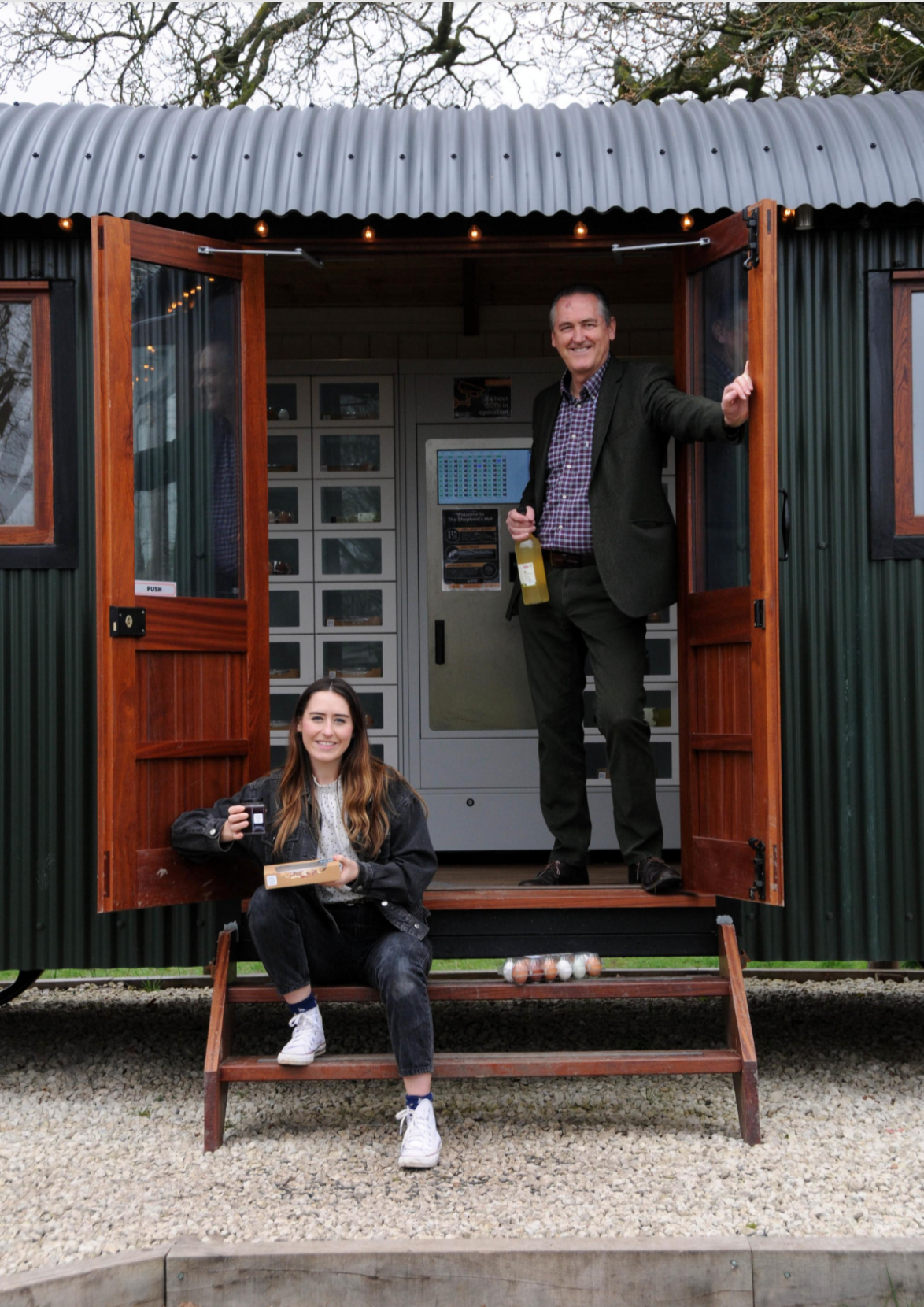
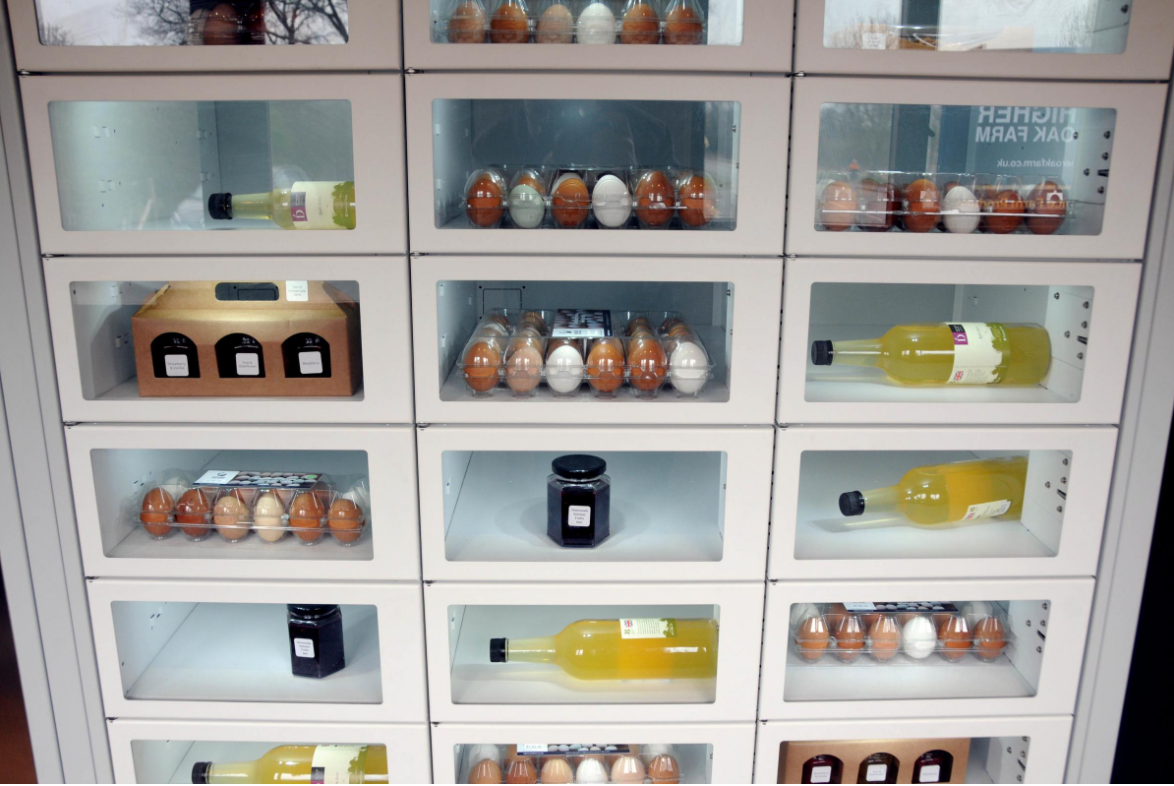
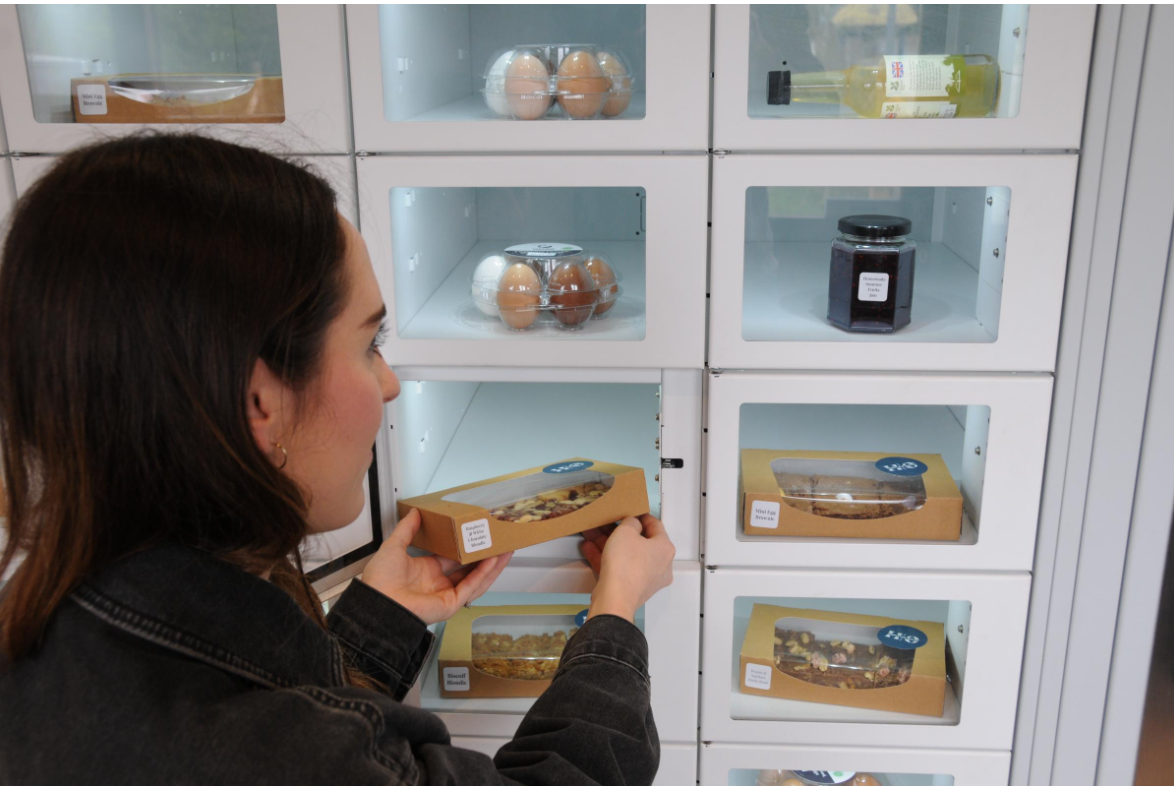
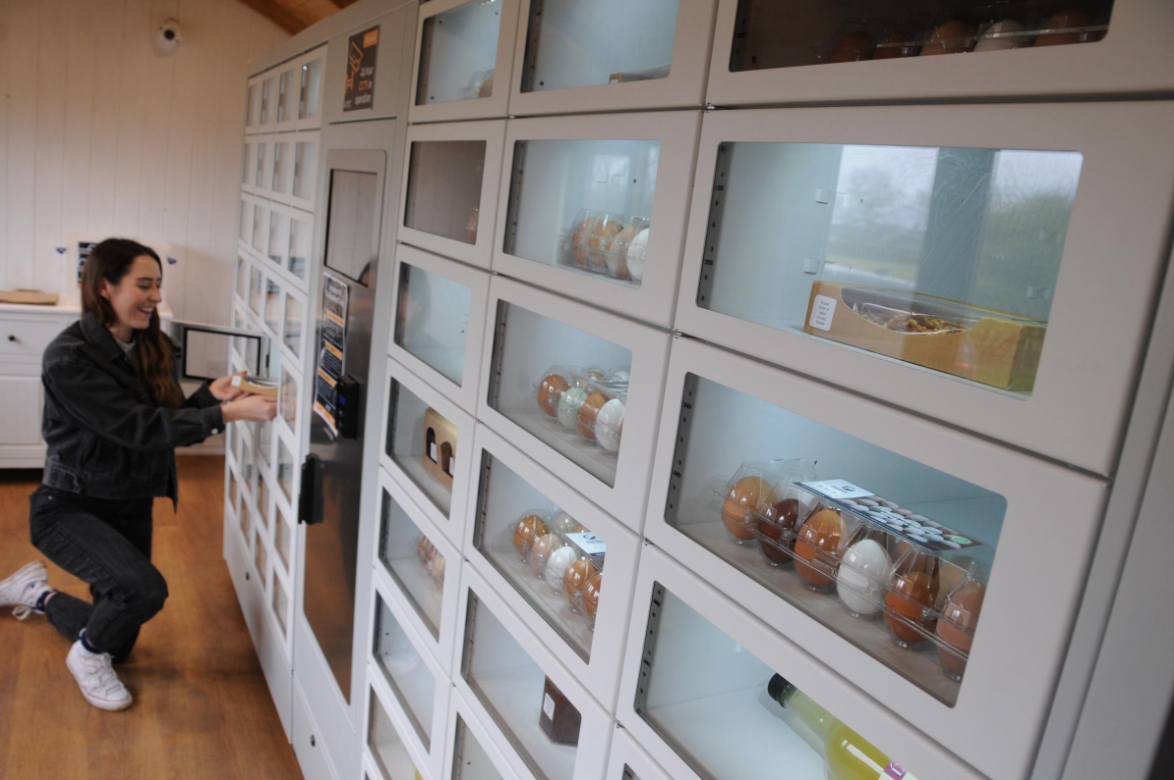
Visitors choose what they want from a self service vending machine that was made to the family’s specifications in Italy.

Amelia Robertson, Higher Oak Farm, said: “We have 55 cabinets in the hut. People absolutely love it, kids tend to play a game and guess which cabinets going to open, which is adorable. We’ve had really good feedback from everyone we’ve spoken to which is lovely.”

Amelia.png

The lockdown success story of the shepherd’s hut is the latest chapter for the Higher Lane farm. Amelia’s dad Kirk Robertson, a former director at a school wear company in Runcorn, bought the land eight years ago as he always wanted to create a small poultry farm.

She added: “He’d always had an interest in and kept chickens, especially rare breeds, for as long as I can remember, so he wanted to expand what he had kept at the house into a specialist farm.

“Initially we were starting out just doing the rare breeds, to concentrate on preserving their genetics, and keeping the breeds from becoming extinct.

Kirk & Amelia 2.png

“But as we had quite a few birds in the early days, we were giving our surplus eggs to friends and family and found that people were really enjoying them, and that they could taste the difference between our eggs and shop bought ones.”

The farm’s main business at that point was selling hatching eggs and rare breed birds. But now Amelia collects around 300 eggs a day from the pasture raised hens.

shepherds hut screen.png

The former Lymm High student said: “Hearing people’s feedback really spurred us on to pursue the eating egg production so now we have two main laying houses with around 350 hens in total.

“As we have a variety of breeds we have quite a lot of different colours/shades and sizes of eggs. What is laid that day goes into the hut – you can’t get any fresher.”

The shepherd’s hut opened in November 2020 with the idea being that the vending machine would free up the family’s time for other daily tasks.

vendng machine.png

Amelia added: “We’d had discussions with another farmer who was vending milk up in Scotland, so we thought that would be a great way for us to sell our produce – and something that’s a little different from your normal farm shop.

"It took us a while to find a vending machine that didn’t drop the products, as this is not ideal for eggs!

“Eventually we found one and it took about six months to get the machine made and to the farm, because of lockdown in Italy where the machine is manufactured.

The hut.png

“During the first lockdown, we spent weeks building it, and we actually found ourselves having a waiting list for our eggs despite our increased flock size, so we were concerned we wouldn’t have enough stock to fill the new shop.”

That is how Higher Oak Bakery came about.

Amelia said: “It allowed us to sell baked sweet treats from the hut using our own eggs. We definitely didn’t anticipate how well this would do. We were working the bakery as a ‘pop-up’ which always sold out.

Vending Machine 2.png

"We couldn’t keep up with demand, so we knew that this would work as part of the offer at the hut.”

Amelia reckons there is plenty of scope for adding to Higher Oak’s offer too.

The 26-year-old added: “It’s so great to hear the positive feedback of customers and to educate people about what we do on the farm, and we’re now adding more local produce such as homemade jams and apple juice which is grown and bottled in Dunham Massey.

Shepherds hut.png

“We’re so excited to be harvesting our honey at the beginning of summer too. We have 10 beehives directly next to our wildflower meadow.”

Amelia also said it felt strange for something so positive to have come out of the Covid era.

She said: “We know so many people who have really struggled through lockdown, so I always feel a bit guilty when people ask how we’re doing, but there’s always got to be some good that comes of these things, and freshly baked brownies and fresh eggs are definitely one of them.

vending machine 3.png

"I’ve never worked so hard in my life, delivering to people who are shielding and baking every day, but it makes it all worth while when you get such lovely, positive feedback. I think that the shepherd’s hut has brought some fun and smiles to people in such a trying time in our lives, and perfectly suited the Covid lifestyle.”