Keeping Your Feathered Friends Safe and Happy: Caring for Chickens with a lot of Rain!

Extreme rain can be challenging for backyard chicken keepers. Your feathered friends rely on you to provide them with shelter, safety, and comfort during stormy weather. In this guide, we'll explore the essential steps to ensure your chickens stay healthy and content when the skies open up.

1. Secure, Waterproof Coop:

First and foremost, a well-built and waterproof coop is your chickens' primary sanctuary during heavy rain. Here's how to ensure it's rain-ready:

  • Roof Inspection: Check for leaks or areas where rainwater might seep in. Repair any issues promptly.

  • Ample Bedding: Ensure the coop is well-bedded with materials like straw, hay, or wood shavings. A dry, clean environment is vital to prevent discomfort and health issues.

  • Elevated Perches: Place perches at an elevation to keep chickens off the damp floor and prevent cold, wet feet.

  • Proper Ventilation: While you want to keep your coop dry, it's essential to maintain proper ventilation to avoid moisture buildup. Ensure that vents remain open but angled to prevent direct drafts.

2. Outdoor Shelter:

In addition to their coop, provide an outdoor sheltered area where chickens can take cover from the rain without getting wet. You can construct a simple roofed structure or use tarps to create a dry space.

3. Drainage Management:

  • Grading: Proper grading around the coop and run can help water flow away from their living areas, reducing the risk of flooding.

4. Waterproofing Feed and Water:

  • Cover Feed: To keep feed dry, use covered feeders or place them in areas protected from the rain.

  • Waterproof Containers: Invest in waterproof waterers to ensure your chickens have access to clean, uncontaminated water.

5. Gutter Systems:

If you have the resources and inclination, consider installing gutter systems with downspouts to direct rainwater away from the coop and run. This helps prevent flooding and muddy conditions.

6. Frequent Health Checks:

Rain can increase the risk of health issues in chickens, such as respiratory problems and wet feathers. Conduct regular health checks to identify and address any problems promptly. Dry your chickens off if they get drenched.

7. Boredom Busters:

Chickens can get restless when they're cooped up during heavy rain. Provide entertainment like hanging cabbage or other vegetables for them to peck at, and scatter some scratch grains to encourage foraging.

8. Biosecurity Measures:

Take extra biosecurity precautions in wet conditions. Keep an eye out for signs of muddy conditions that can lead to bacterial growth and illness.

9. Stay Informed:

Monitor weather forecasts and be prepared for impending rain. Have a plan in place to act swiftly when storms are on the horizon.

Caring for chickens in extreme rain requires attention to detail, a well-maintained coop, and proactive steps to ensure their comfort and health. By taking these precautions and monitoring your flock during wet weather, you can keep your feathered friends happy and healthy even in the stormiest conditions.

Preparing Your Coop for Winter: A Guide to Keeping Your Flock Warm and Happy

As the temperatures drop and winter's icy grip takes hold, ensuring your backyard chicken coop is ready for the season is crucial. Winter preparation is not only about keeping your flock warm but also ensuring their comfort and health. Here's a comprehensive guide to getting your coop ready for winter.

1. Insulation and Draft Control:

  • Seal Any Gaps: Inspect your coop for any cracks, gaps, or holes that could allow drafts. Use weatherstripping, caulk, or insulation to seal these areas, keeping the cold air out.

  • Ventilation Balance: While it's essential to prevent drafts, adequate ventilation is crucial to avoid moisture buildup. Use adjustable vents to strike the right balance, ensuring fresh air without chilly breezes.

2. Cozy Bedding:

  • Deep Litter Method: Before winter, start the deep litter method. Layer fresh bedding material such as straw or wood shavings regularly. The decomposing material generates heat and provides insulation.

  • Nesting Boxes: Keep nesting boxes clean and well-insulated, as hens tend to spend more time there during the colder months.

3. Heated Water Supply:

  • Invest in Heated Waterers: Ensure your chickens have access to unfrozen water. Heated waterers are a convenient option to prevent ice from forming in the water containers.

  • Regular Checks: Inspect the waterers frequently to ensure they are working correctly.

4. Lighting:

  • Supplemental Lighting: Winter days are shorter, and less daylight can lead to a decrease in egg production. Consider adding supplemental lighting to maintain a regular egg-laying schedule. A 14-16 hour daily light exposure is ideal.

5. Coop Cleaning:

  • Regular Cleaning: Maintain a clean coop to prevent the buildup of moisture, which can lead to frostbite. Remove droppings and damp bedding regularly.

  • Rodent Control: Winter can attract rodents seeking shelter and food. Secure the coop against unwelcome guests by closing entry points.

6. Heaters and Heat Lamps:

  • Safe Heating Options: If your region experiences extreme cold, you might consider using safe heating options. Radiant heaters or heat lamps suspended high enough to avoid fire hazards can provide warmth.

  • Monitor Temperature: Ensure the coop's temperature remains comfortable but doesn't become too warm, which can be harmful to your chickens.

7. Nutritional Support:

  • Nutrient-Rich Feed: Adjust your chickens' diet to include more calories in the form of grains, corn, or high-protein feed to help them stay warm and maintain their energy.

  • Treats: Treat your chickens with healthy snacks, like warm oatmeal or scratch grains, to boost their spirits during the long, cold days.

8. Frostbite Prevention:

  • Inspect Combs and Wattles: Pay attention to your chickens' combs and wattles, as they are susceptible to frostbite. Applying petroleum jelly can help prevent this condition.

9. Coop Security:

  • Predator Protection: As the scarcity of food in winter can lead to increased predator activity, reinforce your coop's security measures to protect your flock.

By following these steps and staying attuned to your chickens' needs, you can ensure a cozy and comfortable winter for your feathered friends. A well-prepared coop will not only keep your flock warm but also contribute to their overall well-being and a steady supply of fresh eggs throughout the season.

Flock Harmony: Introducing New Hens to Your Existing Flock

Expanding your backyard chicken flock can be an exciting endeavour, but introducing new hens to your existing flock can be a delicate process. Chickens have a social hierarchy, and disrupting this order can lead to pecking order squabbles. However, with careful planning and patience, you can successfully integrate newcomers into your existing feathered family. Here's a step-by-step guide to achieving flock harmony.

Quarantine Newcomers:

Before introducing new hens, it's ideal to quarantine them for at least two weeks in a separate coop or enclosure. This helps ensure they're healthy and free from any diseases or parasites that could spread to your existing flock. However, this isn’t always very realistic! Make sure you check your hens over before bringing them home, have a look to see if they have a clean vent and any signs of mites.

Visual Introduction:

After the quarantine period, start with a visual introduction. Place the new hens in a pen or enclosure within sight of your existing flock. This allows both groups to become familiar with each other without direct contact. Over the next few days, observe their interactions to gauge their behaviour. This can be done using a large dog crate if you don’t have another coop available.

Separate but Together:

Once the hens seem more relaxed in each other's presence, it's time to let them interact. Use a temporary divider within your coop or run that provides physical separation but still allows the two groups to see, hear, and establish a pecking order. This stage helps reduce aggression and aggression between the two groups.

Supervised Meetings:

Gradually increase the amount of time that both groups spend together. Always supervise these initial meetings to prevent any aggressive pecking and bullying. Ensure there are multiple feeding and watering stations to reduce competition.

Provide Distractions:

To keep tensions low during these meetings, scatter treats, vegetables, or scratch grains for both groups to forage. This helps redirect their attention and encourages positive associations.

Nighttime Integration:

Chickens are typically less aggressive at night. As dusk approaches, when they tend to roost, carefully place the new hens on the roosting bars with the existing flock. This can be an effective way to integrate them without the chaos of daylight interactions.

Monitor for Aggression:

Keep a close eye on the flock dynamics for a few weeks after integration. Some pecking and squabbling are normal as they establish their pecking order. However, if you notice extreme aggression or injuries, be prepared to separate or isolate the aggressors.

Provide Adequate Space:

Make sure your coop and run have ample space for all your hens. Overcrowding can lead to more aggression, so ensure each bird has room to move and establish their territory.

Patience Is Key:

Remember that patience is crucial during the integration process. It may take several weeks for the hens to settle into a harmonious flock. Avoid rushing the process, as this can lead to stress and injuries.

With careful planning and a gradual approach, you can successfully introduce new hens to your existing flock. Ultimately, a harmonious backyard chicken family will be worth the effort, providing you with more eggs, a diverse flock, and a lively and engaging environment for your feathered friends.

The Winter's Palette: How Grass Growth Affects the Colour of Egg Yolks

As the seasons change and winter's chill settles in, you may have noticed a subtle transformation in the colour of yolks in the eggs laid by your backyard hens. The vibrant golden yolks of summer may have given way to paler shades. But what causes this change, and why do yolks become less vibrant during the winter months?

The answer lies in the availability of fresh green grass for your hens to graze on. During the warmer months, when the days are longer, grass grows abundantly, providing a rich source of nutrients for your hens. This lush diet results in deeper, more intense yolks in the eggs they lay.

In contrast, during the winter, the grass growth slows down or even goes dormant in some regions. The reduced access to fresh greens has a direct impact on the colour of the yolks. Here's how it all works:

Carotenoid Content: The colour of egg yolks is primarily influenced by the presence of carotenoids, natural pigments found in plants. These pigments are absorbed by the hen's digestive system when they consume green, leafy vegetation. Carotenoids are then deposited in the yolk, giving it that deep, golden hue.

Seasonal Variation: As the availability of fresh grass decreases during the winter months, so does the intake of carotenoids. This results in a gradual reduction in the carotenoid content in the yolks. Consequently, the yolks become paler in colour.

Nutrient-Rich Diet: While the winter diet may lack carotenoids, it doesn't necessarily mean your hens are less healthy. Most backyard flock owners compensate for the lack of fresh greens by providing a nutrient-rich diet that includes grains, vegetables, and supplements. This ensures that your hens receive a well-rounded diet even when access to green grass is limited.

Natural Variation: It's important to note that some hens naturally produce eggs with lighter yolks, while others consistently lay eggs with deep, golden yolks. Genetics and breed characteristics also play a role in the colour of yolks.

While the paler yolks in winter eggs might not be as visually striking, they are still just as nutritious as their summer counterparts. The flavor, texture, and nutritional value of the eggs remain consistent year-round. As the days grow longer and grass regains its vitality in the spring, you'll likely see a return to those vivid, golden yolks.

In summary, the colour of hen egg yolks changes with the seasons due to variations in the hens' diet, specifically their access to fresh green grass. The reduction in carotenoid intake during winter leads to lighter-coloured yolks. So, the next time you crack open an egg with a pale yolk, remember that it's a natural part of the seasonal cycle and doesn't diminish the quality or taste of your homegrown eggs.

Herbal Helpers: Enhancing Chicken Health with Garden Herbs

When it comes to maintaining the well-being of your flock, nature's bounty often holds the key. Herbs are not only aromatic and flavorful additions to your garden but can also play a vital role in promoting the health of your chickens. In this blog post, we'll explore a selection of herbs that can serve as natural supplements to boost immunity, digestion, and overall vitality in your feathered friends.

1. Oregano: Oregano is a powerful herb known for its antimicrobial properties. Adding dried oregano to your chickens' feed can support their immune system and help combat pathogens. Oregano's antioxidants can contribute to overall health and well-being.

2. Garlic: Garlic offers natural antibacterial and antiparasitic properties. Adding crushed garlic cloves to their feed or water can help deter pests and boost immune function. Note that moderation is key, as excessive garlic intake may affect egg flavor.

3. Thyme: Thyme contains thymol, a compound with antiseptic properties. When provided in moderation, thyme can support respiratory health in chickens. Fresh or dried thyme can be added to nesting boxes to help deter mites and lice.

4. Mint: Mint is known for its soothing properties and can aid in digestion. Its aromatic qualities can also help mask unpleasant odors in the coop. Mint can be grown near the coop or offered as fresh sprigs occasionally.

5. Lavender: Lavender's calming and stress-reducing properties make it an ideal herb for chicken coops. Its aromatic scent can help create a serene environment. Place dried lavender in nesting boxes to promote relaxation.

6. Parsley: Parsley is rich in vitamins and minerals, including vitamin C, which can support overall health. Its chlorophyll content can help neutralize bad breath in chickens. Offer parsley as an occasional treat.

7. Calendula: Calendula's vibrant flowers are not only aesthetically pleasing but also have anti-inflammatory and antiseptic properties. Dried calendula petals can be added to feed or nesting materials.

8. Rosemary: Rosemary's aromatic oils can aid in repelling insects. It's also rich in antioxidants, which contribute to a healthy immune system. Provide rosemary sprigs for chickens to peck at or mix dried rosemary into their feed.

9. Nettle: Nettle is a nutrient-rich herb that can support egg production and overall health. Offer dried nettle leaves as a supplement in their feed to provide essential vitamins and minerals.

10. Chamomile: Chamomile is well-known for its calming effects. Adding dried chamomile flowers to nesting boxes can create a soothing environment for laying hens.

11. Sage: Sage is believed to have antimicrobial properties that can benefit chickens' respiratory health. Its strong aroma can deter pests. Provide sage leaves as an occasional treat or add them to nesting materials.

12. Fennel: Fennel can aid digestion and reduce flatulence. Its aromatic seeds can be sprinkled in their feed to promote healthy digestion.

Herbs are not only flavourful and aromatic additions to your garden but can also offer valuable health benefits to your flock. Incorporating a variety of these natural supplements can enhance their immune systems, support digestion, and create a more comfortable and stress-free environment. As with any dietary change, it's important to introduce herbs gradually and in moderation, observing your chickens' response for optimal health and well-being.

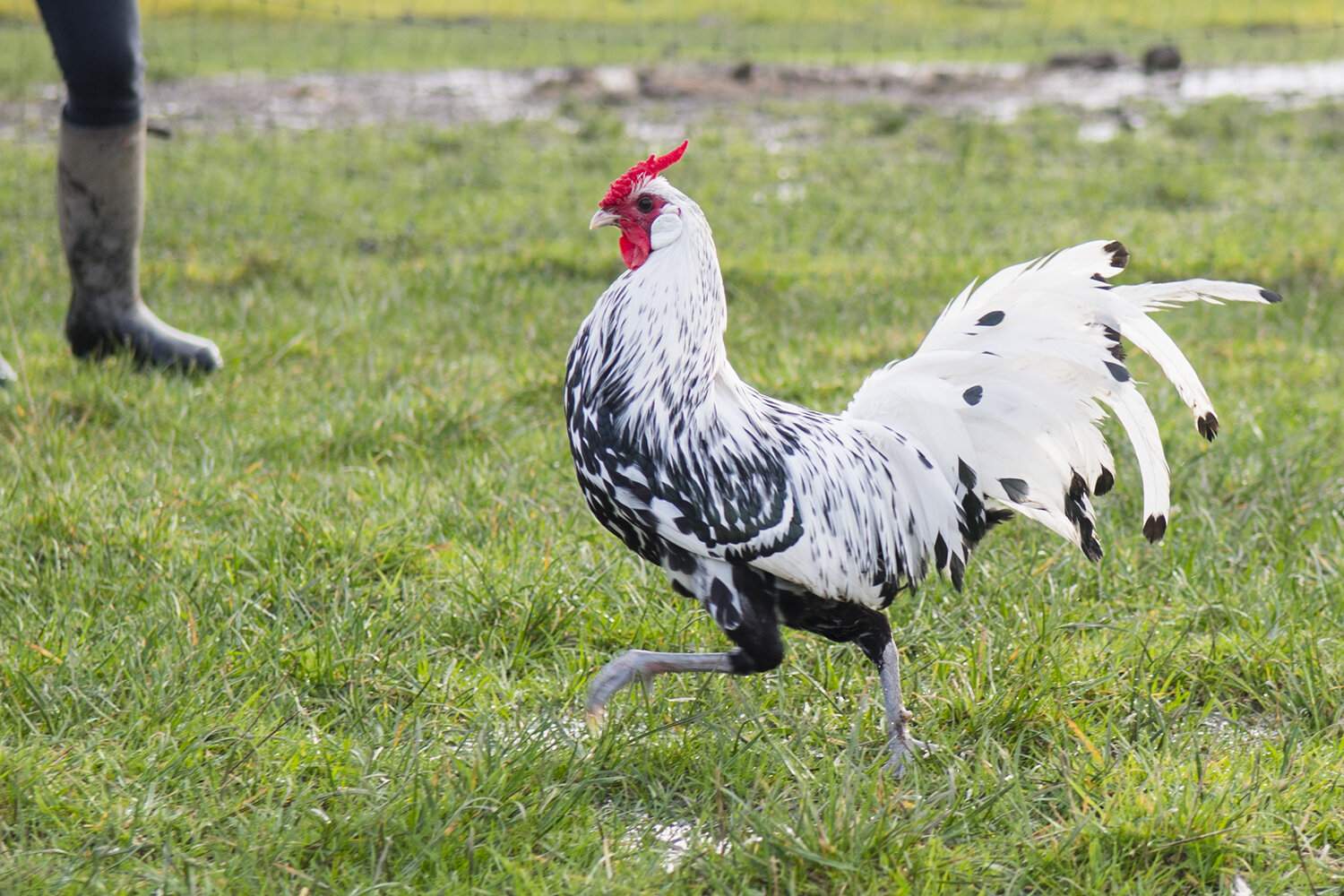
Unveiling the Allure of Silver Spangled Hamburgs: A Unique Rare Breed

In the realm of rare and captivating chicken breeds, the Silver Spangled Hamburg stands out as a true gem. With its distinctive appearance, energetic personality, and rich historical significance, this breed has earned a special place in the hearts of poultry enthusiasts around the world. In this blog post, we'll delve into the fascinating world of Silver Spangled Hamburgs, exploring their origins, unique characteristics, and the joys of raising these stunning birds.

1. A Glimpse into History:

The Silver Spangled Hamburg, often simply referred to as the Hamburg, is an ancient breed that traces its roots back to Europe, particularly the Netherlands and Germany. It was brought to the United States in the early 19th century, making it one of the oldest chicken breeds on American soil.

2. Striking Appearance:

Silver Spangled Hamburgs are renowned for their eye-catching appearance. Their small, agile bodies are covered in glossy black feathers adorned with distinct white spangles. Their wings carry these elegant spangles, creating a visually captivating pattern that is truly one of a kind.

3. Energetic Personalities:

Known for their spirited and active personalities, Silver Spangled Hamburgs are always on the move. They enjoy free-ranging and foraging for insects, seeds, and plants. Their boundless energy and inquisitive nature make them a joy to watch and interact with.

4. Egg-cellent Layers:

While their stunning appearance steals the show, Silver Spangled Hamburgs are also known for their egg-laying prowess. These birds lay small to medium-sized white eggs with a reputation for their exceptional flavor. They are consistent layers that contribute reliably to the egg basket.

5. Ideal Backyard Companions:

Silver Spangled Hamburgs are a great choice for backyard chicken keepers. Their smaller size and excellent foraging abilities make them suitable for urban and suburban environments. They are also relatively hardy, able to handle both hot and cold climates with proper care.

6. Caring for Silver Spangled Hamburgs:

  • Housing: Provide them with a secure coop and ample space for free-ranging.

  • Diet: Offer a balanced diet of quality layer feed, supplemented with grains, fruits, vegetables, and access to fresh water.

  • Protection: As active foragers, they need protection from predators, so ensure their coop is well-secured.

  • Social Interaction: Silver Spangled Hamburgs are social birds that thrive with companionship. Consider raising them with other compatible breeds.

7. Breeding and Preservation:

Due to their rarity, Silver Spangled Hamburgs are considered a conservation priority by poultry preservation organizations. If you're interested in breeding these beautiful birds, consider joining preservation efforts to ensure their unique genetics are preserved for future generations.

8. Joining the Enthusiast Community:

Connect with fellow poultry enthusiasts and breeders to exchange knowledge and experiences about Silver Spangled Hamburgs. Participating in online forums, social media groups, and local poultry clubs can provide valuable insights and support.

Silver Spangled Hamburgs are a testament to the timeless appeal of heritage chicken breeds. Their exquisite appearance, lively personalities, and historical significance make them a captivating addition to any poultry flock. By embracing the joys of raising and preserving these rare birds, you're contributing to the conservation of a breed that embodies the beauty of both the past and the present.

Getting Your Coop Ready for Autumn: Essential Steps for a Happy Flock

As the days grow shorter and the temperature begins to dip, it's time to prepare your chicken coop for the upcoming autumn season. Ensuring a cozy and well-equipped coop will not only keep your feathered friends comfortable but also help them stay healthy during the colder months. In this blog post, we'll guide you through essential steps to get your coop ready for autumn, so your chickens can thrive no matter the weather.


1. Deep Clean and Declutter: Before the chill sets in, give your coop a thorough cleaning. Remove all bedding and debris, scrub the floors and surfaces, and disinfect with a poultry-safe cleaner. Decluttering ensures a hygienic environment for your chickens to roost and nest.


2. Inspect and Repair: Check for any cracks, gaps, or potential points of entry for drafts or predators. Repair any damages to the coop structure, windows, and doors. A well-sealed coop keeps cold air out and warm air in.


3. Improve Ventilation: While sealing gaps is essential, ventilation is equally crucial to prevent humidity buildup. Install adjustable vents or windows that allow for proper airflow without causing drafts directly on your chickens.


4. Add Cozy Bedding: Replace old bedding with fresh, clean materials like straw, wood shavings, or chopped leaves. Deep litter bedding not only provides insulation but also generates heat as it decomposes, keeping the coop warm.


5. Consider Heating Options (If Necessary): Depending on the severity of your region's winters, you might need to introduce additional heat sources. Opt for safe and approved heating solutions such as heat lamps or panel heaters, but be cautious of fire hazards and ensure proper wiring.


6. Insulate the Walls: For coops in colder climates, adding insulation to the walls can help regulate the temperature. Insulated walls prevent extreme temperature fluctuations and keep your chickens comfortable.


7. Provide Dust Bath Areas: Autumn weather might bring rain, making it difficult for chickens to indulge in their usual dust baths. Create a sheltered area with dry dirt or sand where they can maintain their plumage.


8. Secure Nesting Boxes: Ensure the nesting boxes are well-insulated and draft-free. Line them with clean and cozy bedding to encourage egg-laying during cooler days.


9. Adjust Roosting Bars: Rearrange roosting bars so that they're lower during autumn. This helps your chickens huddle together more closely, sharing body heat for added warmth.


10. Offer Nutrient-Rich Feed: As temperatures drop, chickens require extra energy to maintain body heat. Transition to a feed with higher protein and fat content to support their needs during colder months.

11. Provide Fresh Water: Ensure your chickens have access to clean, unfrozen water at all times. Invest in a heated waterer to prevent freezing during chilly nights.


12. Prepare for Shorter Days: As daylight hours decrease, consider adding artificial lighting in the coop to provide the recommended 14-16 hours of light for consistent egg production.


By taking proactive steps to prepare your chicken coop for autumn, you're ensuring the well-being and comfort of your flock as the temperatures drop. With a clean, cozy, and well-equipped coop, your chickens will continue to thrive throughout the season, providing you with fresh eggs and joyful interactions.

Creating a Chicken-Friendly Garden: Harmony Between Greenery and Feathered Friends

Gardening enthusiasts and chicken keepers often find themselves seeking a harmonious balance between lush vegetation and their feathered companions. Designing a chicken-friendly landscape not only enhances the well-being of your flock but also adds charm to your outdoor space. In this blog post, we'll explore the art of cultivating a garden that welcomes both plants and poultry with open arms.


1. Zoning Your Garden: To maintain a harmonious environment, designate separate zones for your chickens and your plants. Designate a chicken run or coop area where your feathered friends can scratch and forage freely without disturbing your precious plants.


2. Chicken-Friendly Plants: Opt for plant species that not only beautify your garden but also offer benefits to your chickens. Plants like comfrey, nasturtiums, and sunflowers provide both food and shelter. Include herbs like lavender, mint, and oregano, which have natural pest-repellent properties.

3. Fencing with Finesse: Employ effective fencing to create a barrier between your chickens and delicate garden beds. A low fence or raised garden beds can discourage chickens from venturing where they shouldn't be.

4. Mulching for Health: Implement mulching to protect your plants' root systems and deter chickens from scratching the soil. Wood chips, straw, or leaves can create an effective barrier while enriching the soil as they break down.

5. Composting Collaboration: Integrate a composting system that involves both kitchen scraps and chicken manure. This symbiotic relationship transforms waste into nutrient-rich compost that benefits your garden soil.

6. Creative Foraging Areas: Designate specific areas within your garden for controlled foraging. Scatter scratch grains or kitchen scraps, encouraging your chickens to focus their foraging activities where you want them to.

7. Natural Insect Control: Capitalise on your chickens' natural pest control abilities. Allow them access to garden areas for a limited time, where they can feast on pests like slugs, snails, and insects.

8. Protecting Young Plants: Shield vulnerable plants by using wire cages or cloches until they're established. This helps prevent accidental damage from curious chickens while allowing plants to grow safely.

9. Mulched Pathways: Create mulched pathways or gravel walkways within your garden. These paths can guide your chickens through the garden without causing damage to your plant beds.


10. Rotation and Rest: Just like crop rotation in agriculture, consider rotating your chickens' access to different parts of the garden. Allowing some areas to rest and regenerate will help keep your garden in balance.


11. Dust Bath Delight: Provide designated dust bath areas for your chickens, complete with loose soil and sand. This keeps them engaged and minimizes their impact on garden beds.

With a thoughtful approach to design and planning, it's entirely possible to create a garden that thrives alongside your beloved chickens. By implementing these chicken-friendly landscaping strategies, you can cultivate a space where both plants and poultry coexist harmoniously, enhancing the beauty and functionality of your outdoor haven.

Preserving Genetic Diversity: The Role of Smallholding Farms in Maintaining Rare Breed Chicken Populations

In an era where industrialised agriculture dominates the landscape, the importance of preserving genetic diversity in our food sources cannot be overstated. One such area that often goes unnoticed but holds immense significance is the conservation of rare breed chicken populations. These unique and often historical breeds are at risk of disappearing, making the role of smallholding farms in maintaining and protecting their genetic diversity all the more crucial.

The Rarity of Rare Breeds

Rare breed chickens, unlike their commercial counterparts, possess traits that are often suited to specific regional climates, traditional farming practices, and culinary preferences. These breeds have been carefully developed over centuries to exhibit qualities such as disease resistance, adaptability to local conditions, and exceptional taste. However, due to the rapid expansion of industrial agriculture and the focus on high-yielding commercial breeds, many of these rare chicken breeds have been pushed to the brink of extinction.

The Significance of Genetic Diversity

Maintaining genetic diversity within chicken populations is essential for several reasons. Firstly, diverse genetic traits ensure that chickens are better equipped to withstand diseases that can rapidly spread through monoculture populations. Secondly, genetic diversity provides a valuable resource for future breeding efforts, which might require specific traits such as adaptability to changing climates or unique flavour profiles. Lastly, rare breed chickens are an integral part of our agricultural heritage and contribute to cultural and culinary diversity.

The Role of Smallholding Farms

Smallholding farms, often characterised by their modest size and commitment to sustainable farming practices, play a critical role in the preservation of rare breed chicken populations. These farms serve as sanctuaries for endangered breeds, providing a safe haven where these chickens can thrive without the threat of being outcompeted by more common, high-production breeds. Smallholding farmers prioritise the preservation of genetic diversity over sheer productivity, and this commitment ensures that these rare breeds have a fighting chance against extinction.

Challenges Faced by Smallholding Farms

Despite their vital role, smallholding farms encounter several challenges in their efforts to conserve rare breed chickens. Limited financial resources, lack of access to advanced breeding techniques, and the need for education and awareness all pose significant obstacles. Additionally, finding markets for products from rare breeds can be difficult due to the prevalence of commercial chicken products in the market. However, consumers' growing interest in sustainability, local produce, and unique culinary experiences is gradually creating a demand for products from rare breed chickens.

The Way Forward

The conservation of rare breed chicken populations requires a collaborative effort between smallholding farms, agricultural organisations, and consumers. Governments can provide support through grants, subsidies, and incentives to encourage the preservation of genetic diversity. Agricultural extension services and educational programs can equip smallholding farmers with the knowledge and skills needed to manage and breed these rare chickens effectively.

Consumers also play a vital role by choosing to support local smallholding farms and seeking out products from rare breed chickens. By valuing the unique flavours and cultural heritage associated with these breeds, consumers can contribute to their preservation.

In Conclusion

Preserving the genetic diversity of rare breed chicken populations is not just about protecting the past; it's about securing the future of our food systems. Smallholding farms are the unsung heroes in this endeavour, dedicating themselves to the cause of conservation against the tide of commercialisation. By recognising the value of these farms and the significance of genetic diversity, we can ensure that these unique breeds continue to enrich our culinary landscape for generations to come.

Nurturing Rare Breed Chickens: A Journey from Hatching to Adulthood

Raising rare breed chickens is a rewarding endeavour that allows us to connect with nature and heritage while preserving unique genetic strains. The journey from hatching to adulthood is a fascinating one, requiring careful attention and dedication at each stage. In this blog post, we will explore the different stages of a rare breed chicken's life and the specific care they need along the way.

1. Hatching Stage

The journey of a rare breed chicken begins in the incubator or under a broody hen. During this stage, optimal conditions are crucial for healthy embryo development:


Temperature and Humidity: Maintain a consistent temperature of around 99.5°F (37.5°C) and humidity levels of 50-60%. Fluctuations can lead to developmental issues.


Turning Eggs: If using an incubator, turn the eggs several times a day to prevent the embryo from sticking to the shell and ensure even development.


2. Brooding Stage

Once the chicks hatch, they are vulnerable and require a warm and safe environment. Brooding involves setting up a suitable space for the young chicks:


Brooder Setup: Use a brooder box or pen with a heat source (heat lamp or heating plate). The temperature should start around 95°F (35°C) and decrease by 5°F (2.8°C) each week until ambient temperature is reached.


Bedding: Provide clean, non-slippery bedding like pine shavings. This helps prevent leg issues and provides a comfortable surface for the chicks.


Water and Feed: Offer fresh water and starter feed formulated specifically for young chicks. Proper nutrition is essential for healthy growth.


3. Growing Stage

As the chicks grow, their needs evolve, and they start exploring their surroundings:


Transition to the Outdoors: When they are feathered enough (around 5-8 weeks), gradually introduce them to outdoor spaces. This process, called "hardening off," helps them adapt to temperature changes.


Space Requirements: Ensure enough space to prevent overcrowding, which can lead to stress and disease. Provide at least 2-3 square feet per bird in the coop.


Varied Diet: Transition to a balanced diet that includes a mix of grains, greens, and insects. This helps promote healthy development and supports their immune system.


4. Adolescent Stage

During adolescence, chickens undergo significant changes, including the development of social hierarchies:


Social Dynamics: Be observant of any bullying or aggression among the birds. Provide hiding spots and multiple feeding/watering stations to reduce conflicts.


Supervised Free-Range: Allow supervised free-range time to encourage foraging and exploration, but protect them from predators.


5. Adulthood

Reaching adulthood is an achievement that brings a sense of accomplishment. At this stage:


Egg Production: If raising laying hens, expect the onset of egg production around 5-6 months. Provide nesting boxes with clean bedding for them to lay eggs.

Cockerel Behaviour: If keeping cockerels, be prepared for crowing and territorial behaviour. Monitor their interactions to prevent aggression.


Health Maintenance: Regularly inspect for signs of illness, trim beaks and nails if needed, and ensure their living space remains clean.


Raising rare breed chickens is an enriching experience that allows us to play a part in preserving genetic diversity. From the delicate hatching stage to the majestic adulthood, each phase requires attentive care and understanding of their changing needs. By providing the right environment, nutrition, and attention, you can enjoy the companionship of these unique birds while contributing to their wellbeing and the continuation of rare breeds for generations to come.